Discussion
Sympathy For An Old Man
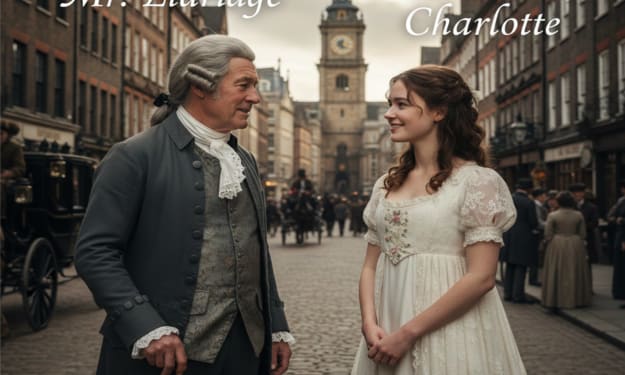
British citizens of the 1700s wanted to be known for their good morals and compassion as citizens and needed to have a standard to follow. Charlotte Temple, written in 1791 by Susanna Rowson, is a sentimental novel that delivers the framework the British populace needed. Two aspects of sentimental novels that are seen in Charlotte Temple are stereotypical good and bad characters and excessive emotion. Charlotte’s grandfather, Mr. Eldridge, is a good character who exemplifies the qualities a man of his time should possess. Mr. Eldridge is a sympathetic, good character and shows excessive emotion that is typical of sentimental novels.
By Stephanie J. Bradberryabout a month ago in BookClub
Self Help: Grifters' Gospel. Top Story - February 2026.
On Self-Help, Snake Oil, and the Illusion of Change Psychology professionals and students can be imagined on two opposite sides of a line called self-help books: likely a larger group opposes pop-science and step-by-step manuals filled with talk of success, journaling, and not giving a f**k; others love them, but they aren’t many.
By Avocado Nunzella BSc (Psych) -- M.A.P about a month ago in BookClub
I read Half His Age
If there's one book you add to your reading list this year, make it Half His Age by Jennette McCurdy. I went into this one already a fan of McCurdy as an author, but this book solidified exactly why she's become one of my favourites. It's personal, it's immersive, and it's the kind of story that stays with you long after you turn the last page.
By Parsley Rose about a month ago in BookClub
Benedict Bridgerton's Blind Spots
Your Honour, my Client, Mr Benedict Bridgerton, is a good man, but his upbringing has left him rather an idiot. This is not to suggest that Mr Bridgerton is a bad person, but merely that the extreme privilege of his lifestyle has left him with some exceedingly large blind spots.
By Natasja Roseabout a month ago in BookClub
When Success Isn’t Enough:
Joseph G. Motley did not write Unlocking Your Greatest You because he lacked discipline, opportunity, or ambition. He wrote it because he discovered that checking every box society hands out does not automatically lead to peace. Known as Coach Mot, Motley built a life many people strive for. He worked hard, provided for his family, and achieved professional stability. On paper, his story looked complete. Internally, it felt unfinished.
By Elisa Smithabout a month ago in BookClub