Biographies
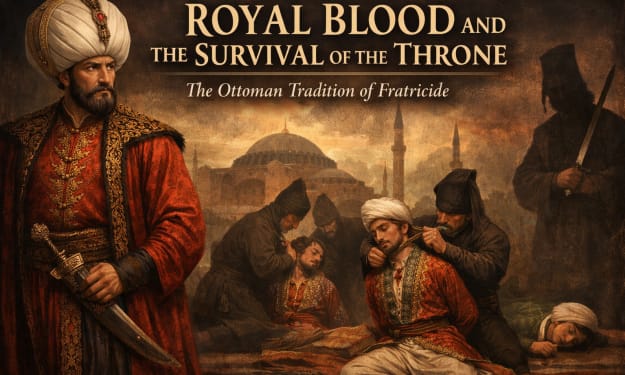
Royal Blood and the Survival of the Throne: The Ottoman Tradition of Fratricide
Among the many powerful dynasties in world history, the Ottoman Empire stands out for its longevity, political sophistication, and vast territorial reach. At its peak, the empire stretched across parts of Europe, Asia, and Africa, ruling over diverse peoples and cultures for more than six centuries. Yet behind the grandeur of its palaces and the power of its sultans lay a grim and controversial tradition: the execution of royal brothers to secure the throne.
By Irshad Abbasi about an hour ago in History
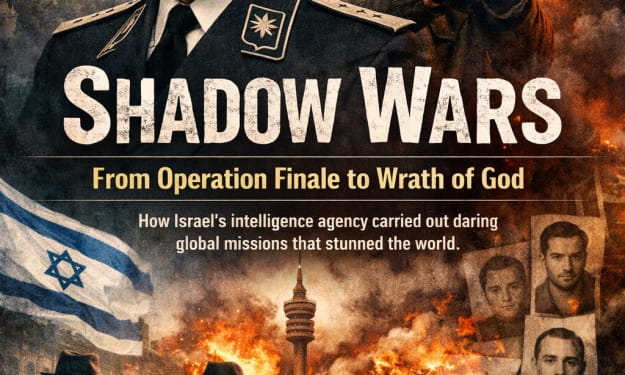
Shadow Wars: From Operation Finale to Wrath of God
Throughout modern history, intelligence agencies have operated in secrecy, carrying out missions that often remain hidden from public view. Among these organizations, the Israeli intelligence agency Mossad has gained a reputation for some of the most daring and controversial operations ever conducted. From tracking down Nazi war criminals to targeting militants responsible for attacks on Israelis, Mossad’s operations have repeatedly captured global attention. Two of the most famous missions associated with the agency are Operation Finale and Operation Wrath of God, both of which left a lasting mark on international intelligence history.
By Irshad Abbasi about an hour ago in History
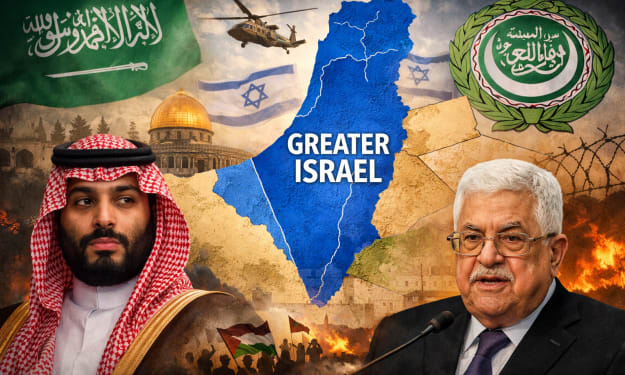
The “Greater Israel” Map Controversy: Saudi Arabia, Palestine and Arab League Condemn the Idea
A recent controversy over a map circulating online and in political discussions has reignited tensions across the Middle East. The map, often referred to as the concept of “Greater Israel,” depicts a much larger Israeli state stretching beyond its current internationally recognized borders and into parts of neighboring countries. The idea has drawn sharp condemnation from Arab states, including Saudi Arabia, Palestine, and the Arab League, who have dismissed it as dangerous political rhetoric and an unrealistic extremist vision.
By Irshad Abbasi about 2 hours ago in History
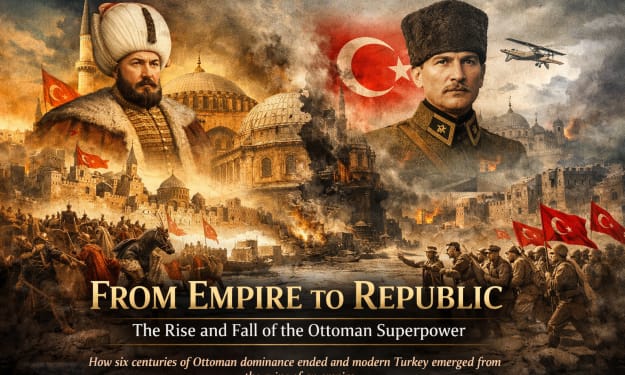
From Empire to Republic: The Rise and Fall of the Ottoman Superpower
For more than six centuries, the Ottoman Empire stood as one of the most powerful and influential states in world history. Stretching across three continents—Europe, Asia, and Africa—it controlled strategic trade routes, diverse populations, and some of the most important cities of the medieval and early modern world. Yet by the early twentieth century, this once-mighty empire collapsed, giving birth to the modern Republic of Turkey. The story of its rise and fall is one of military brilliance, political struggle, and dramatic reform.
By Irshad Abbasi about 2 hours ago in History
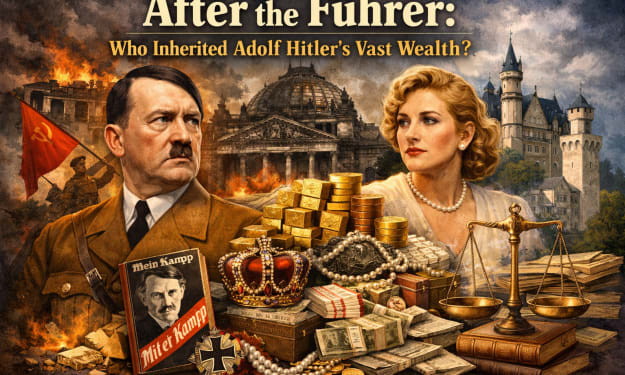
After the Führer: Who Inherited Adolf Hitler’s Vast Wealth?
When Adolf Hitler died by suicide on April 30, 1945, inside his bunker in Berlin, the Third Reich was collapsing around him. Soviet troops were closing in, and Nazi Germany was on the brink of total defeat. Yet even as Europe lay in ruins, a curious legal and financial question lingered: what happened to Hitler’s personal wealth, estimated to be worth hundreds of millions—if not billions—of today’s dollars?
By Irshad Abbasi about 3 hours ago in History
How a feared Mediterranean corsair rose to become Grand Admiral of the Ottoman Empire and reshaped naval power in the 16th century
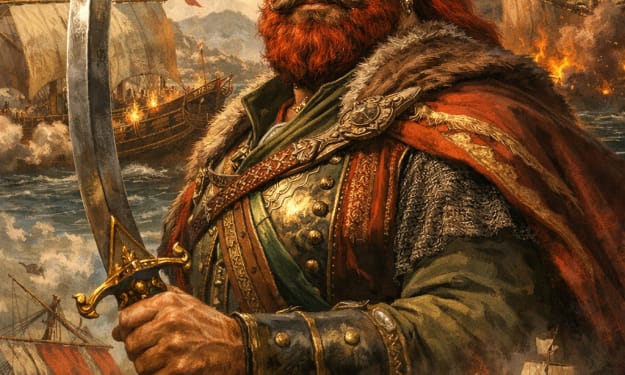
In the turbulent waters of the 16th-century Mediterranean, where empires clashed and trade routes determined the fate of nations, one name inspired both fear and admiration: **Khayr al-Din Barbarossa**. Known in Europe as “Barbarossa,” meaning “Red Beard,” he began his life as a corsair—what many would call a pirate—but rose to become the Grand Admiral of the mighty **Ottoman Empire**. His journey from privateer to imperial commander is a remarkable tale of ambition, strategy, and shifting loyalties.
By Irshad Abbasi about 12 hours ago in History
Secrets of the Egyptian Pyramids
For more than four thousand years, they have stood in silence. Rising from the desert sands, massive stone mountains shaped by human hands continue to challenge modern science. Travelers stare at them in disbelief, historians debate their secrets, and archaeologists still uncover new mysteries hidden inside.
By imtiazalamabout 16 hours ago in History
Selim I: The Ottoman Prince Who Ordered the Execution of His Own Family
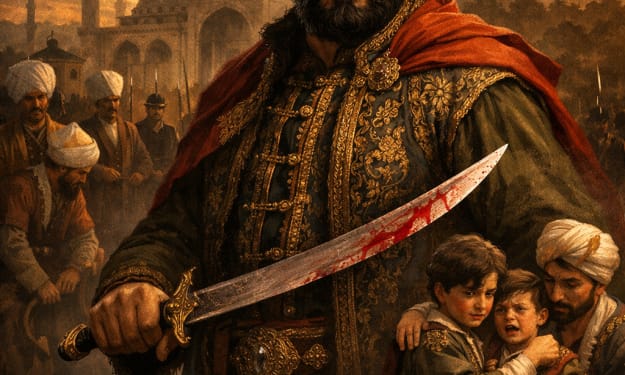
In the long and dramatic history of the Ottoman Empire, few rulers are remembered as fiercely and controversially as Selim I, also known as Selim the Grim. Rising to power in 1512, Selim I transformed the Ottoman Empire into a dominant force in the Islamic world. Yet his reign began with a chilling series of executions that shocked even his contemporaries. To secure the throne, Selim reportedly ordered the deaths of his own brothers, nephews, and even some of his sons—an act that reflected the brutal political realities of the Ottoman dynasty.
By Irshad Abbasi about 20 hours ago in History
When the Caliph’s Head Hung from the Gates of Baghdad
In the early ninth century, the Abbasid Caliphate stood as one of the most powerful empires in the world. Stretching from North Africa to Central Asia, it was a center of wealth, culture, and intellectual achievement. At the height of this golden age ruled the legendary caliph Harun al-Rashid, whose reign is often remembered as a period of prosperity and brilliance. Yet after his death in 809 CE, the empire he left behind descended into a devastating civil war between his own sons—a conflict that would scar the Abbasid state for generations.
By Irshad Abbasi about 20 hours ago in History
Sultan Mehmed II: The Conquest of Constantinople That Europe Never Forgot
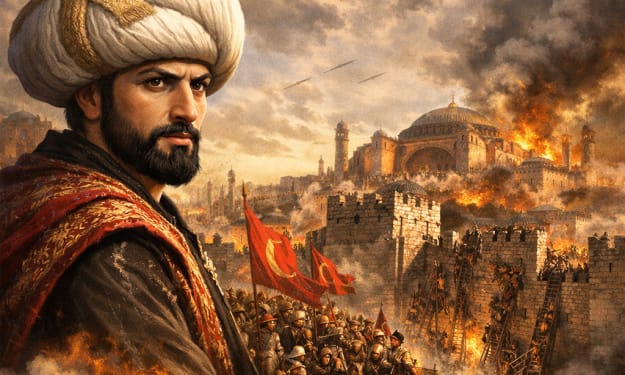
In the spring of 1453, one of the most dramatic moments in world history unfolded when Sultan Mehmed II captured the great city of Constantinople. This event did not simply mark the fall of a city; it ended the thousand-year-old Byzantine Empire and transformed the balance of power between Europe and the Muslim world. Even centuries later, the conquest remains one of the most significant turning points in global history.
By Irshad Abbasi about 20 hours ago in History