
Digital Well-Being
Finding Balance in a Hyperconnected World

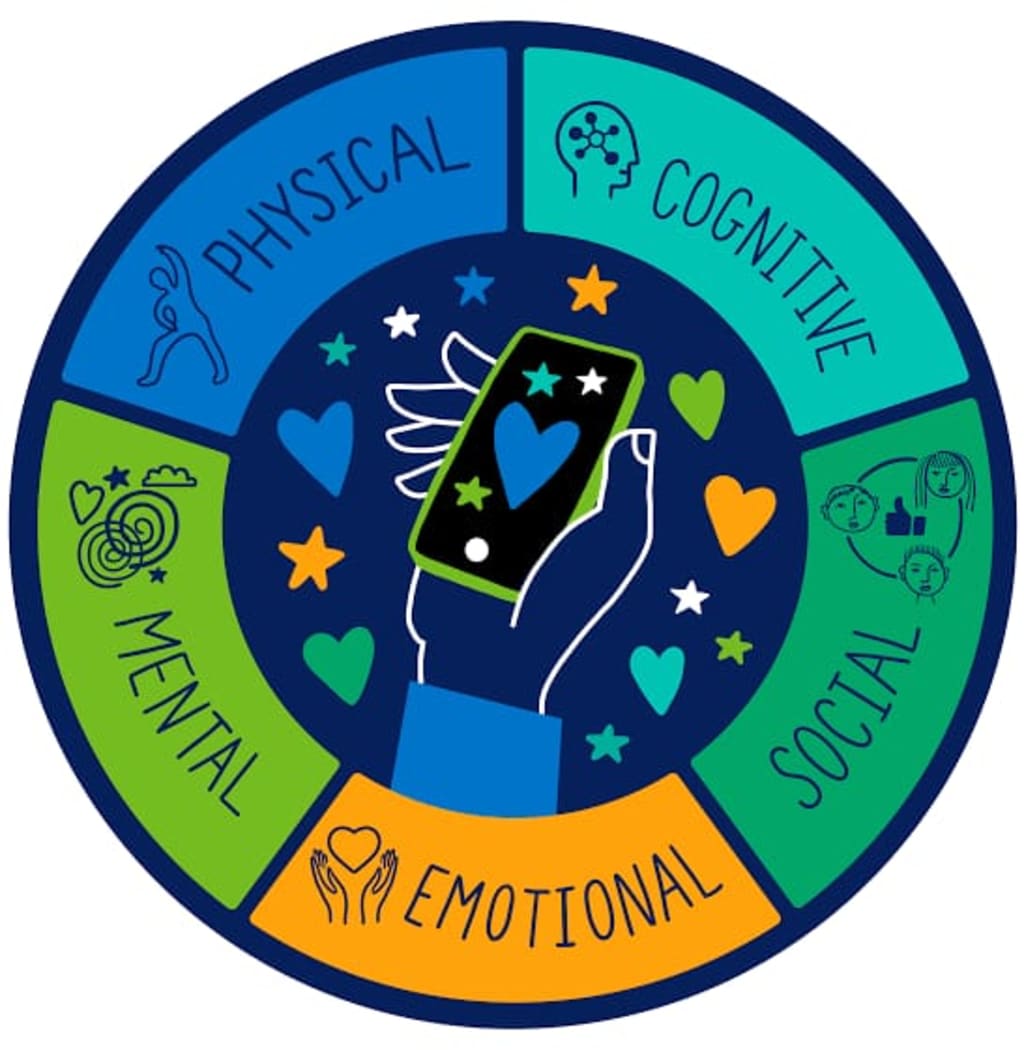
We live in a time where the internet is not just a tool — it is an environment. From the moment we wake up to the moment we fall asleep, screens shape how we think, work, communicate, and relax. Technology connects us instantly, but constant connection can quietly drain our attention, energy, and peace of mind. Digital well-being is the practice of using technology in a way that supports — rather than harms — our mental, emotional, and physical health.
At its core, digital well-being is about balance. Technology itself is not the problem. The challenge is unconscious use. Endless scrolling, constant notifications, and the pressure to always be available create a state of mental noise. Many people check their phones dozens of times per hour without realizing it. Over time, this habit fragments attention, reduces productivity, and increases anxiety.
One of the biggest effects of digital overload is attention fatigue. Our brains are not designed to process continuous streams of information. When we jump between apps, messages, and videos, we train our minds to crave stimulation. This makes deep thinking, creativity, and focus more difficult. The result is a feeling of being busy but not fulfilled.
Digital well-being begins with awareness. Before changing habits, we must understand them. How often do we check our phones? What emotions push us toward screens — boredom, loneliness, stress, or habit? Many people discover that they do not use technology intentionally; they react to it automatically. Awareness transforms reaction into choice.
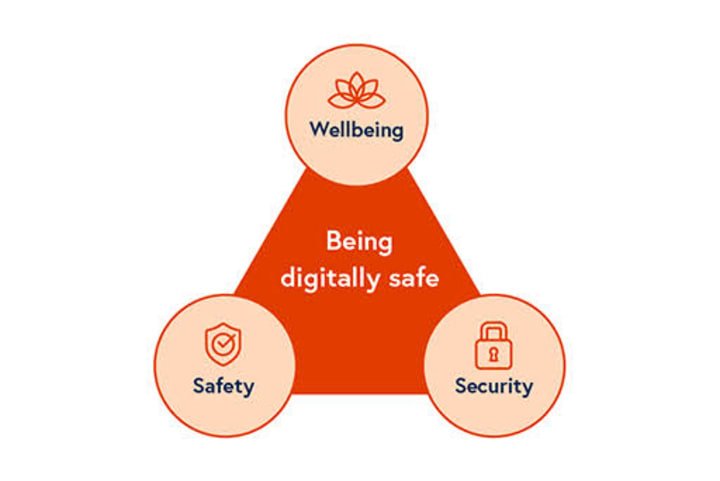
Another key element is intentional use. Instead of asking, “How much time did I spend online?” a better question is, “Why did I go online?” Technology can educate, inspire, and connect us. It can also distract and overwhelm. When we choose purpose over impulse, the same device becomes a tool instead of a trap.
Healthy boundaries are essential for digital balance. Small changes can create powerful results. Turning off non-essential notifications reduces mental interruptions. Setting specific times to check messages prevents constant monitoring. Creating “no-phone zones” such as the dining table or bedroom protects real-world experiences. These boundaries are not restrictions; they are protections for attention and peace.
Sleep is another important aspect of digital well-being. Screen exposure late at night disrupts natural sleep cycles and reduces rest quality. Many people scroll to relax but end up overstimulated. Replacing late-night screen time with reading, reflection, or quiet music helps the mind slow down. Good sleep strengthens emotional resilience and improves concentration the next day.

Social connection also changes in the digital age. Online interaction can create the illusion of closeness while reducing meaningful communication. Digital well-being encourages depth over quantity. A thoughtful conversation with one person often nourishes more than endless passive consumption of updates. Technology should support relationships, not replace them.
Importantly, digital well-being is not about rejection of modern life. It is about conscious participation. The goal is not to use technology less, but to use it better. When we control our devices, they empower us. When devices control us, they exhaust us.
Practicing digital well-being is a gradual process. It starts with small decisions: pausing before opening an app, choosing presence over distraction, and valuing attention as a limited resource. Over time, these choices build a healthier relationship with technology.
In a world that constantly demands our attention, digital well-being is an act of self-respect. It protects our focus, nurtures our mental health, and restores balance between the online and offline parts of life. Technology will continue to evolve, but the need for mindful use will remain constant. When we learn to live with technology — not inside it — we rediscover clarity, calm, and control over our own time.
About the Creator
shaoor afridi
“I am a passionate writer dedicated to sharing informative, engaging, and well-researched articles. My goal is to provide valuable content that educates, inspires, and adds real value to readers.”
Keep reading
More stories from shaoor afridi and writers in Lifehack and other communities.
Time Management Vs Money Management
In today’s fast-paced world, two skills are often highlighted as essential for success: time management and money management. Both are considered pillars of a productive and stable life, yet people frequently debate which one matters more. Is it better to manage your time perfectly or to handle your money wisely? The truth is that both are deeply connected, but they play different roles in shaping personal growth, career success, and long-term happiness.
By shaoor afridi2 months ago in Lifehack
Federated AI Discovery Engine
The Federated AI Discovery Engine is a computational framework designed to support biomarker discovery, evaluation, and validation in distributed data settings, where patient-level data are housed across multiple Trusted Research Environments (TREs) and cannot be centralised. The system enables consistent analytical workflows to be executed across institutions and geographies while preserving local data governance, security, and regulatory constraints.
By James @ Kode4 days ago in Lifehack
A Historic Declaration
We the People of the Husbands of the United States of America, in Order to form a more perfect Union, and I mean you...with me...establish Justice, insure domestic Tranquility, provide for the common defence, promote the general Welfare, and secure the Blessings of Liberty to ourselves, after Puberty, do ordain and establish this Declaration of Co-Dependence.
By Gerard DiLeo4 days ago in Humans


Comments
There are no comments for this story
Be the first to respond and start the conversation.