
Glaucoma: Symptoms, Causes, and Treatments to Protect Your Vision
Understanding glaucoma symptoms, causes, and treatment options to protect your vision before permanent damage occurs.

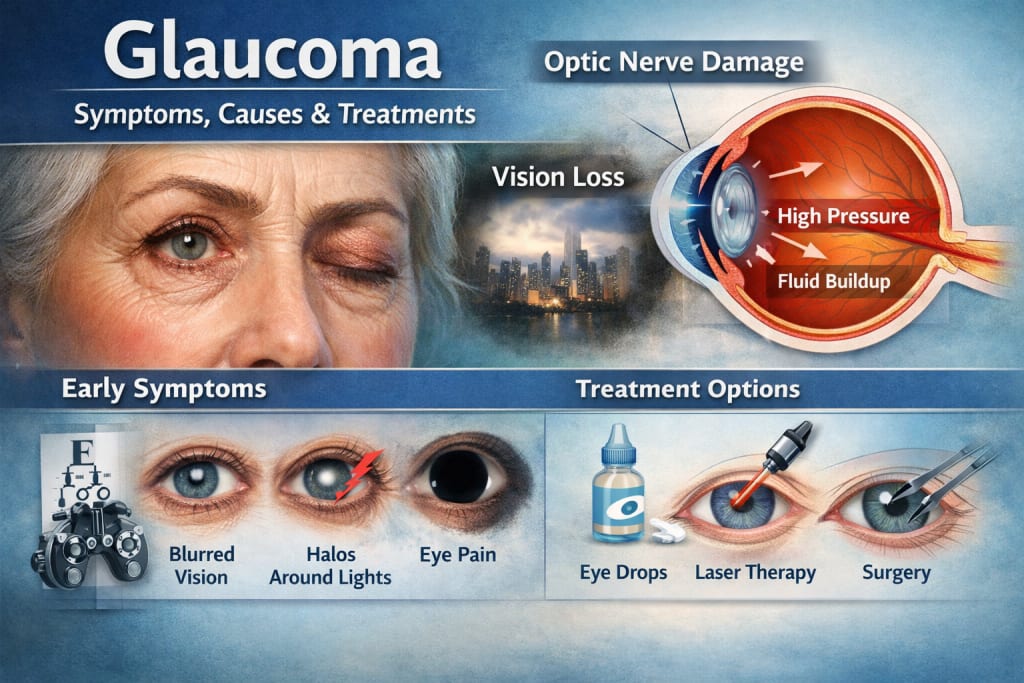
Vision is one of the most valuable senses a person has, yet millions of people worldwide face the risk of losing it due to eye diseases. One of the most serious and often silent threats to eyesight is Glaucoma. This condition is known as one of the leading causes of irreversible blindness globally. What makes glaucoma particularly dangerous is that it can develop slowly without noticeable symptoms until significant vision damage has already occurred.
Understanding glaucoma, its symptoms, causes, risk factors, and available treatments is essential for protecting eye health. Early detection and proper management can significantly reduce the risk of permanent vision loss.
What Is Glaucoma?
Glaucoma is a group of eye conditions that damage the optic nerve, which is responsible for transmitting visual information from the eye to the brain. This damage is often linked to increased pressure inside the eye, known as intraocular pressure.
The optic nerve plays a crucial role in maintaining clear vision. When it becomes damaged, blind spots may develop in the field of vision. If left untreated, glaucoma can gradually lead to severe vision loss or even complete blindness.
One of the most concerning aspects of glaucoma is that it often progresses slowly and painlessly. Many people do not realize they have the condition until noticeable vision problems appear.
Types of Glaucoma
There are several forms of glaucoma, but the most common type is Open-angle glaucoma. This type develops gradually and usually has no early warning signs. The drainage canals in the eye become clogged over time, causing pressure to build up.
Another type is Angle-closure glaucoma, which occurs suddenly and is considered a medical emergency. This type can cause severe eye pain, blurred vision, nausea, and headache.
Other forms include normal-tension glaucoma and secondary glaucoma, which may result from injuries, medications, or other medical conditions.
Early Glaucoma Symptoms
Many people search for glaucoma symptoms because the disease often goes unnoticed in its early stages. Unfortunately, early glaucoma rarely produces clear warning signs. However, as the condition progresses, some symptoms may begin to appear.
Common glaucoma symptoms include:
Gradual loss of peripheral vision
Blurred or hazy vision
Eye pain or pressure
Seeing halos around lights
Redness in the eyes
Headaches related to eye strain
In advanced stages, individuals may experience tunnel vision, where the field of view becomes increasingly narrow.
Because symptoms may appear late, regular eye examinations are the best way to detect glaucoma early.
What Causes Glaucoma?
Many people wonder about the glaucoma causes and why the condition develops. While the exact cause is not always clear, several factors can contribute to increased pressure in the eye.
Normally, the eye produces a fluid called aqueous humor that nourishes eye tissues. This fluid flows through the eye and drains through a specific channel. If the drainage system becomes blocked or inefficient, fluid accumulates and increases pressure within the eye.
This pressure can damage the optic nerve over time.
In some cases, glaucoma can develop even when eye pressure remains normal. This condition is known as normal-tension glaucoma and may be linked to poor blood flow to the optic nerve.
Risk Factors for Developing Glaucoma
Certain individuals are more likely to develop glaucoma than others. Understanding these risk factors can help people take preventive steps and seek early medical evaluation.
Major risk factors include:
Age over 40
Family history of glaucoma
High eye pressure
Diabetes or high blood pressure
Severe nearsightedness or farsightedness
Eye injuries or surgeries
Long-term use of corticosteroid medications
People who fall into these risk groups should undergo regular eye examinations to monitor eye pressure and optic nerve health.
How Glaucoma Is Diagnosed
Eye doctors use several tests to diagnose glaucoma and evaluate the health of the optic nerve. One of the most common tests measures intraocular pressure using a procedure called tonometry.
Other diagnostic tests include:
Visual field tests to detect blind spots
Optic nerve imaging
Measurement of corneal thickness
Examination of the eye’s drainage angle
Routine eye checkups are extremely important because glaucoma can often be detected before noticeable symptoms occur.
Glaucoma Treatment Options
Although glaucoma cannot be completely cured, effective glaucoma treatment can help control the condition and prevent further vision damage.
Treatment focuses on reducing eye pressure and protecting the optic nerve. Doctors typically recommend one or more of the following approaches:
Medicated Eye Drops
Prescription eye drops are often the first line of treatment. These medications reduce fluid production in the eye or improve fluid drainage.
Oral Medications
In some cases, doctors prescribe medications that help decrease eye pressure when eye drops alone are not sufficient.
Laser Therapy
Laser procedures can help improve the drainage of fluid from the eye. These treatments are minimally invasive and can effectively lower eye pressure.
Surgical Treatment
For advanced cases, surgery may be necessary to create a new drainage pathway for fluid inside the eye.
Early treatment significantly reduces the risk of vision loss and helps patients maintain good eyesight for many years.
Can Glaucoma Cause Blindness?
Yes, untreated glaucoma can lead to permanent blindness. In fact, glaucoma is one of the leading causes of irreversible vision loss worldwide.
The damage caused by glaucoma cannot be reversed because the optic nerve does not regenerate. However, early diagnosis and proper treatment can slow or stop the progression of the disease.
This is why eye specialists strongly recommend regular eye exams, especially for individuals over the age of 40.
---
Preventing Vision Loss from Glaucoma
While glaucoma cannot always be prevented, several steps can help reduce the risk of serious vision damage.
Important preventive measures include:
Scheduling regular comprehensive eye exams
Monitoring eye pressure regularly
Protecting the eyes from injuries
Maintaining a healthy lifestyle
Managing chronic conditions like diabetes and hypertension
Early detection remains the most powerful tool in preventing blindness caused by glaucoma.
Final Thoughts
Glaucoma is often called the “silent thief of sight” because it can slowly damage vision without noticeable warning signs. Millions of people worldwide live with Glaucoma, and many remain unaware they have the condition until it reaches an advanced stage.
Understanding glaucoma symptoms, causes, and treatment options is essential for protecting long-term eye health. Regular eye examinations and timely medical care can make a significant difference in preserving vision.
By staying informed and prioritizing eye care, individuals can greatly reduce the risk of vision loss and maintain healthy eyesight throughout their lives.
About the Creator
Asad Ali
I'm Asad Ali, a passionate blogger with 3 years of experience creating engaging and informative content across various niches. I specialize in crafting SEO-friendly articles that drive traffic and deliver value to readers.
The Connection Between ADHD and Genetics.
Commentary An Impulsive Gene? My youngest son jumps from one task to another. Ask him to clean his room, he eventually quits because he becomes fixated on something. He can’t sit still for long. On the other hand, when he’s doing something he likes, he is fixated on it, sometimes barely taking in his surroundings or listening to others.
By Dean Traylor2 days ago in Longevity
Beyond Exhaustion: What Happens to Your Body and Brain After 72 Hours Without Sleep?
We've all experienced the grogginess of a poor night's sleep or the heavy eyelids that follow an all-nighter. But what happens when you push the human body to its absolute limits? Staying awake for 72 hours—three full days and nights—is a severe shock to your system. It shifts from a simple matter of feeling tired to a profound physical and psychological crisis. Here is a chronological breakdown of what happens to your mind and body when you stop sleeping.
By Mohammad Hamidabout 7 hours ago in Longevity



Comments
There are no comments for this story
Be the first to respond and start the conversation.