Latest Stories
Most recently published stories in The Swamp.
Dubai Airport: Stories Between Departures and Arrivals
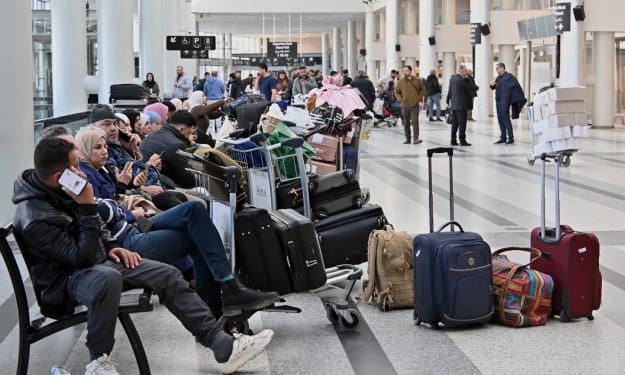
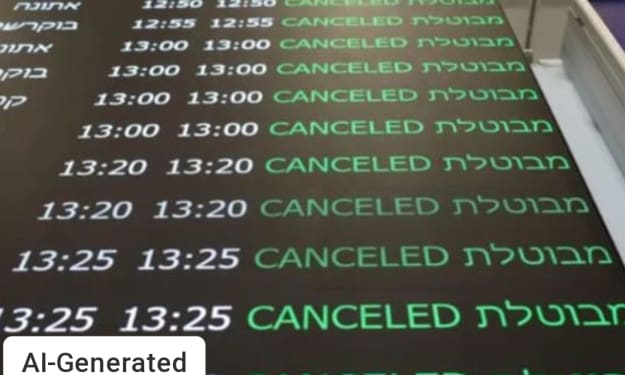
There is something deeply human about an airport. It is a place where people hold hands a little tighter, where eyes search crowds with quiet hope, where goodbyes stretch longer than planned. Dubai airport is one of those rare spaces that feels bigger than travel itself. It is not just a transit hub in the desert. It is a crossroads of dreams, work, love, and second chances. Every day, thousands of people pass through its gates carrying stories only they understand. Some arrive with excitement. Others leave with heavy hearts. If you have ever walked through its long corridors at midnight, you know it feels like a small city that never sleeps.
By Muqadas khana day ago in The Swamp
Iran Leader Death: Power, Uncertainty, and What Comes Next
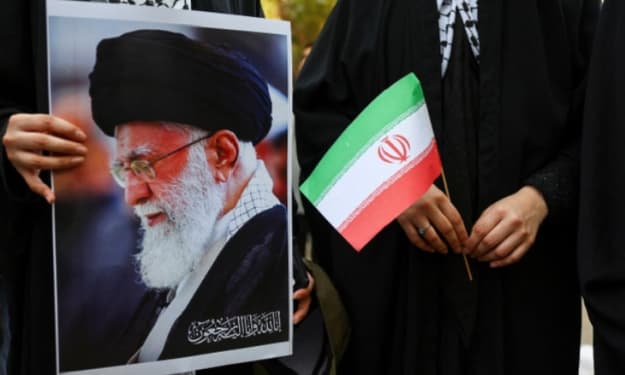
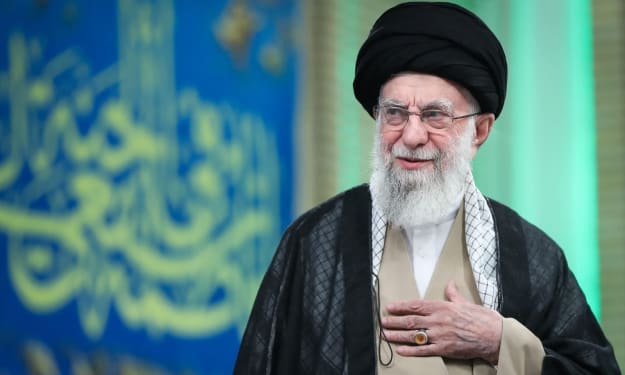
When news spreads about the possible death of a national leader, a country holds its breath. In Iran, leadership is not just political. It is religious, historical, and deeply symbolic. The phrase iran leader death carries weight far beyond a headline. It signals uncertainty, speculation, and questions about stability. For millions of Iranians, leadership affects daily life, from economic policies to social freedoms. For the wider world, it shapes regional security and global diplomacy. When discussions about iran leader death surface, they trigger more than curiosity. They raise concerns about succession, public reaction, and the future direction of a nation already facing internal and external pressure. To understand the implications, we must look at Iran’s leadership structure, history, and the fragile balance of power that defines it.
By Muqadas khana day ago in The Swamp
What We Know So Far: Supreme Leader Khamenei Killed, as Iran Launches Retaliatory Strikes. AI-Generated.
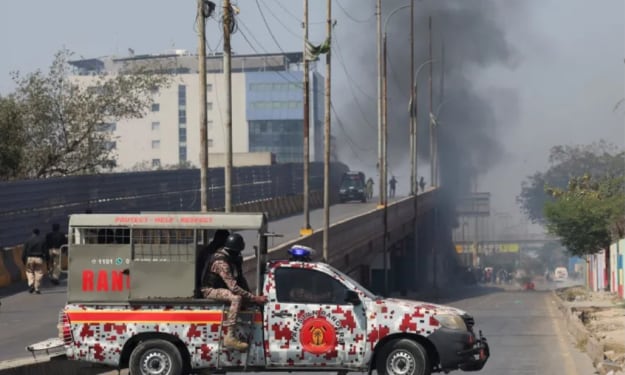
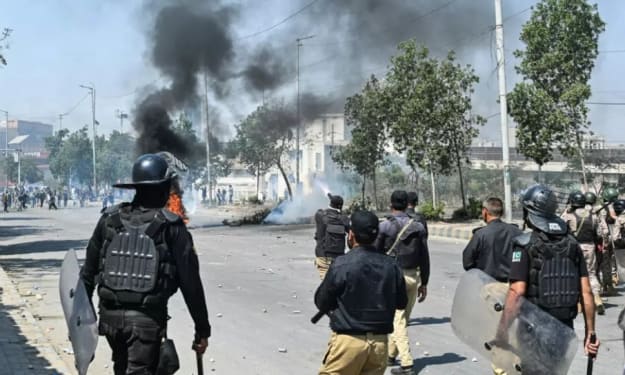
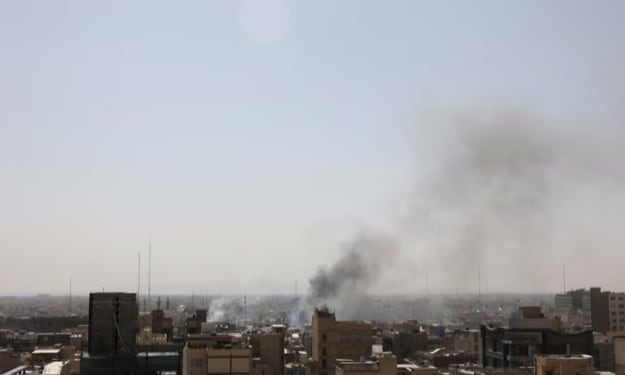
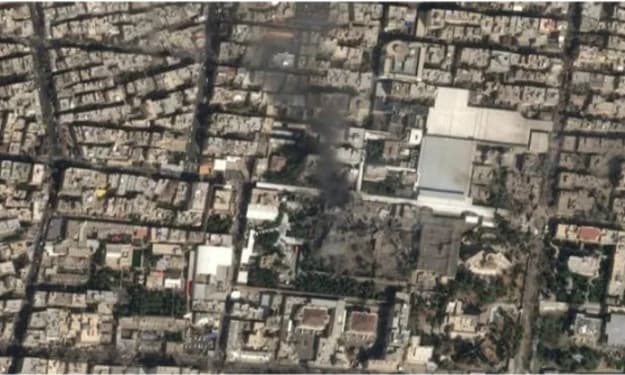
Iran’s long-time supreme leader, Ayatollah Ali Khamenei, has been confirmed dead following a dramatic escalation of hostilities in the Middle East, setting off a cycle of retaliation and raising fears of a broader regional conflict. The developments — unfolding over the past 48 hours — mark one of the most consequential turning points in modern Iranian history. Khamenei’s Death Confirmed Iranian state media confirmed early on 1 March 2026 that Supreme Leader Ayatollah Ali Khamenei — who had led the Islamic Republic since 1989 — was killed in joint U.S. and Israeli airstrikes on Tehran and other key locations in Iran on 28 February. The official announcement described his death as the “martyrdom” of a figure who had steered Iran for nearly four decades, and state TV declared 40 days of national mourning, accompanied by a week of public holidays. President Donald Trump had earlier posted on social media that Khamenei, aged 86, was killed during a major military offensive designed to degrade Iranian leadership and strategic capabilities. Tehran’s confirmation ended initial uncertainty about his status, although both U.S. and Israeli military and political leaders had suggested the supreme leader was dead based on battlefield reports. The Military Offensive That Killed Him The strikes, dubbed by some sources as part of a coordinated campaign between Washington and Jerusalem, reportedly targeted senior leadership compounds, nuclear sites, and ballistic missile infrastructure. Satellite imagery released by analysts showed heavy damage to Khamenei’s compound in Tehran. Independent details about the precise mechanics of the strike remain limited due to ongoing conflict conditions. The joint operation marks a dramatic escalation from earlier phases of tension, which had been largely conducted through proxy confrontations and limited tactical strikes by both sides. Khamenei’s death — a strategic objective reportedly communicated by U.S. and Israeli officials — represents a direct assault on Iran’s political core. Retaliation and Regional Response In response to the news of the attacks and the death of their leader, Iranian officials vowed harsh retaliation. The Islamic Revolutionary Guard Corps declared that a “most ferocious offensive operation” would soon begin against U.S. and Israeli targets. Tehran has already launched missile and drone strikes against U.S. bases in the region and sites inside Israel — a significant escalation that carries high potential for wider conflict. Iran’s government statement described the strikes on its territory — which reportedly killed other high-ranking officials and civilians — as breaches of international law and a direct assault on national sovereignty. Top Iranian leaders warned that “enemies must pay a heavy price” and reaffirmed that the country will pursue retaliation “with all its strength and determination. Succession and Power Vacuum Khamenei’s death immediately triggered constitutional procedures to manage the leadership transition. Iran’s Assembly of Experts, a clerical body, is tasked with selecting the next supreme leader. In the interim, a temporary leadership council is expected to be formed, reportedly including senior figures such as Iran’s president, the judiciary chief, and a jurist from the Guardian Council. This transitional authority will lead the country until a new supreme leader is formally appointed. However, the succession process is unfolding amid wartime conditions and internal factional tensions, raising questions about whether hardliners linked to the IRGC or more traditional clerical figures will prevail. The outcome could shape Iran’s domestic stability and foreign policy for years to come. Domestic and Regional Unrest Khamenei’s death has provoked significant reactions across the region as well as domestically. Thousands of Iranians have participated in memorial gatherings, while strong anti-U.S. and anti-Israeli sentiment is being expressed in public commemorations. Pro-Iran demonstrations have also erupted in neighbouring countries including Pakistan and Iraq, prompting heightened security measures. The potential for further regional instability remains high, with various governments calling for restraint and urging an urgent move back to diplomacy to avoid wider conflict and catastrophic humanitarian consequences. Global responses have been mixed. Some Western leaders reiterated support for self-defence and emphasised the need to prevent Iran from pursuing nuclear weapons, while others warned that targeting a sitting head of state could violate international norms and risk a broader war. The United Nations Security Council convened emergency discussions aimed at de-escalation and humanitarian relief. The New Indian Express Market responses have also reflected the shock of the developments, with energy prices and defense stocks fluctuating amid uncertainty about the conflict’s trajectory and the stability of critical energy corridors such as the Strait of Hormuz.
By Fiaz Ahmed a day ago in The Swamp