Climate
Low Honey Harvest Expected as North Island Beekeepers Grapple With Storm Effects. AI-Generated.
Beekeepers across New Zealand’s North Island are bracing for one of the weakest honey harvests in years as the lingering impacts of severe storms continue to disrupt flowering cycles, damage hives, and strain an industry already under pressure from rising costs and environmental challenges. Unseasonal rainfall, strong winds, and repeated flooding events over recent months have left many apiarists facing reduced nectar flows and delayed hive recovery. Regions that normally provide abundant manuka and clover blooms have seen flowering patterns thrown off balance, cutting into the peak production period that beekeepers rely on for much of their annual income. “This season has been incredibly difficult,” said one commercial beekeeper operating in Hawke’s Bay. “We lost access to several sites because roads were washed out, and even where hives survived, the bees haven’t had consistent weather to forage properly.” Storm Damage and Disrupted Bloom Cycles The North Island experienced a series of intense storms that damaged farmland, forests, and coastal areas. For beekeepers, the consequences go beyond physical destruction of equipment. Flooding saturated soils and uprooted vegetation, while prolonged cloud cover reduced sunlight necessary for plants to produce nectar. Botanists and agricultural scientists say flowering plants are highly sensitive to weather patterns. When storms arrive during crucial blooming windows, nectar production can drop sharply. “Bees need stable conditions to collect nectar,” explained an environmental researcher at a New Zealand agricultural institute. “If rain washes pollen away or temperatures stay too low, flowers simply don’t provide enough resources.” In areas such as Northland and Waikato, beekeepers report hive productivity down by as much as 30 to 40 percent compared with average seasons. Some smaller operators fear they may not harvest enough honey to cover operational expenses. Economic Pressure on the Industry The beekeeping sector has already been grappling with challenges including fluctuating manuka honey prices, increased biosecurity requirements, and rising fuel and transport costs. A low harvest year adds further strain to businesses that rely heavily on exports. Manuka honey remains one of New Zealand’s most valuable agricultural exports, with international demand particularly strong in Asian and European markets. However, reduced supply could push prices higher, potentially benefiting some producers while limiting access for smaller exporters. “For large companies, there may be ways to absorb the losses,” said an industry representative. “But for family-run operations, this could be a make-or-break season.” Some beekeepers are considering scaling back hive numbers or shifting locations next year to avoid areas more vulnerable to extreme weather. Others are exploring diversification into pollination services for crops such as kiwifruit and apples to offset lost honey revenue. Impact on Bee Health Beyond production losses, bee health has also suffered. Wet conditions increase the risk of fungal diseases inside hives, while weakened colonies are more susceptible to pests such as varroa mites. Veterinary experts warn that stressed bees may struggle to survive winter if they enter the colder months with insufficient food reserves. Beekeepers are now spending more on supplemental feeding using sugar syrup and protein patties to keep colonies alive. “We’re not just losing honey,” one apiarist said. “We’re spending more to keep the bees healthy, and that cuts into any profit we might make.” Climate Change and Long-Term Risks Scientists link the increasing frequency and intensity of storms to broader climate change trends. Warmer oceans and shifting weather patterns are making extreme rainfall events more common in New Zealand, raising concerns about the long-term stability of industries dependent on predictable seasons. Agricultural economists argue that beekeeping is particularly vulnerable because it depends on both plant health and insect behavior, two systems sensitive to environmental stress. “This season may be a warning sign,” said a climate policy analyst. “If storms continue at this pace, the industry will need stronger adaptation strategies, such as moving hives more frequently or planting storm-resistant forage crops.” Government agencies are monitoring the situation closely. Some regional councils are assessing whether emergency assistance or recovery grants may be needed for affected farmers and beekeepers. Community and Environmental Role Beekeepers play a critical role in pollination, supporting food production far beyond honey. Crops such as berries, avocados, and squash rely heavily on bees, and reduced hive numbers could affect yields next year. Local farming communities have already reported lower pollination activity in some storm-hit districts, raising concerns about knock-on effects for the wider agricultural economy. Environmental groups stress that protecting bee populations is essential not only for economic reasons but for biodiversity. Native plants depend on healthy pollinator networks to regenerate after disasters. “Bees are part of the recovery process,” said a conservation spokesperson. “When storms damage ecosystems, pollinators help bring them back to life.” Looking Ahead Despite the grim outlook, many beekeepers remain cautiously hopeful. Weather forecasts suggest more stable conditions in the coming months, which could allow late-season flowering to provide some relief. However, expectations remain low compared with previous years. Industry leaders are urging collaboration between scientists, policymakers, and producers to build resilience against future storms. Ideas include expanding research into climate-resistant plants, improving hive design, and developing early-warning systems for extreme weather.
By Fiaz Ahmed about a month ago in Earth
Thermal Desorption Recovery Pathways for Oil-Based Drilling Mud
Oil-based mud (OBM) is indispensable in complex drilling environments, yet it generates waste streams with high hydrocarbon loading and regulatory sensitivity. Thermal desorption has emerged as a technically mature recovery route, enabling separation of hydrocarbons from solids while reducing environmental liability. Its value lies not only in waste minimization, but in material reclamation and compliance assurance.
By Wayne Shenabout a month ago in Earth
Polar Vortex Collapse Forecast: What It Really Means and Why Experts Are Watching Closely. AI-Generated.
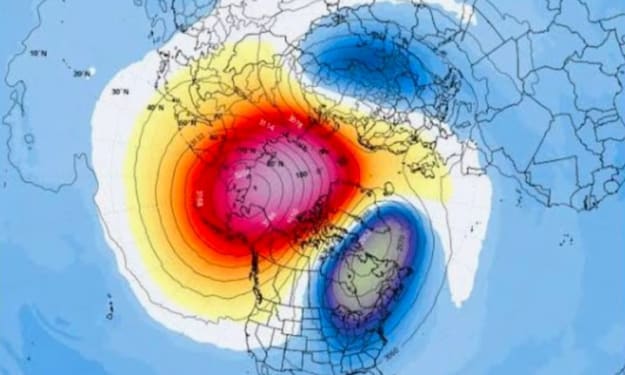
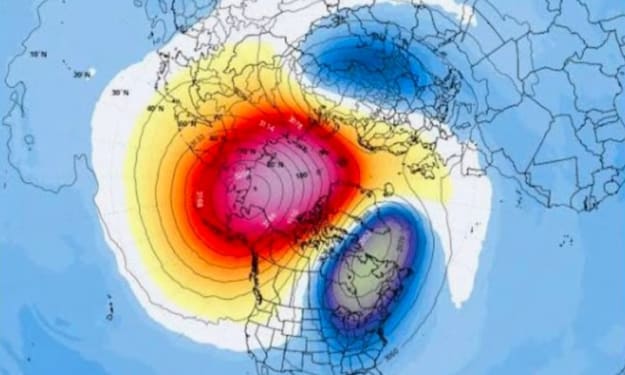
As winter settles in, a term that always seems to capture the attention of meteorologists and the public alike is the "polar vortex." And when experts talk about a polar vortex collapse, it's not just another weather pattern to be dismissed. In fact, the forecast of a potential collapse of the polar vortex is a serious matter that can have significant consequences on weather around the globe. But what exactly does this phenomenon mean, and why are so many experts paying close attention? Let’s break it down.
By Ayesha Lashariabout a month ago in Earth
Polar Vortex Collapse Forecast: What It Really Means and Why Experts Are Watching Closely. AI-Generated.
The term "Polar Vortex" has gained increasing attention in recent years, especially during the winter months. But what does it actually mean? And why are scientists and meteorologists paying such close attention to its behavior?
By Ayesha Lashariabout a month ago in Earth
Frozen Horizons: Inside the 2026 Winter Olympics and the Future of Winter Sport
In the winter of 2026, the world will turn its attention to northern Italy, where snow, stone, and centuries of history will converge under the Olympic rings. The 2026 Winter Olympics, officially known as Milano–Cortina 2026, promise something quietly radical. Not louder stadiums or flashier ceremonies, but a rethinking of what a global sporting event can look like in a fragile era.
By Story Prismabout a month ago in Earth
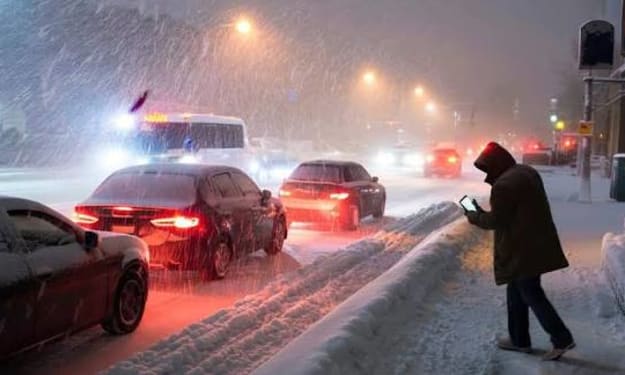
Officially confirmed : heavy snow begins late tonight as weather alerts warn of major disruptions, travel chaos, and dangerous conditions. AI-Generated.
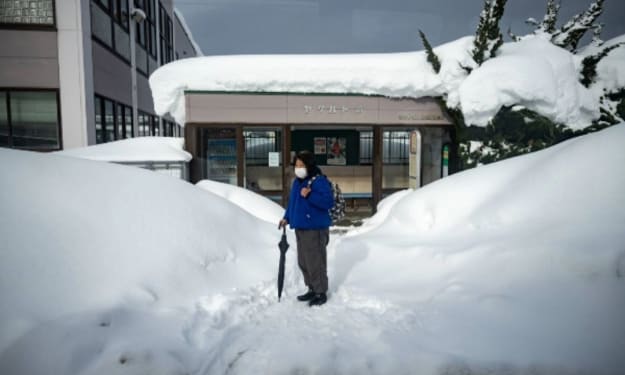
Meteorological authorities have officially confirmed that a powerful winter storm will begin bringing heavy snowfall late tonight, prompting widespread weather alerts and warnings of major disruption across several regions. Forecasters say the system is expected to intensify rapidly overnight, creating hazardous travel conditions, possible power outages, and significant delays to public transportation. The national weather service issued multiple advisories on Tuesday afternoon, urging residents to prepare for what could be one of the most disruptive snow events of the season. Snowfall rates of up to two inches per hour are possible in some areas, accompanied by strong winds that could lead to blizzard-like conditions. Storm System Strengthens Overnight According to meteorologists, the storm system is moving in from the northwest and will collide with a mass of cold air already settled over much of the region. This combination is expected to produce heavy, wet snow in lower elevations and lighter, powdery snowfall in higher areas. “The timing is particularly concerning because the heaviest snow is expected during the overnight and early morning hours,” said a senior forecaster. “That increases the risk of accidents during the morning commute and makes road treatment more difficult.” Snow is forecast to begin shortly before midnight, with accumulation accelerating through the early morning. Some regions could see between 8 and 14 inches of snow by midday tomorrow, while mountain communities may receive significantly more. Travel Disruptions and Road Closures Expected Transportation officials have warned that highways, secondary roads, and rural routes could become impassable. Snowplows and salt trucks have been placed on standby, and emergency response teams are preparing for a high volume of calls. Major airports have already announced the possibility of flight delays and cancellations, advising passengers to check their schedules before heading to terminals. Rail operators are also preparing for service disruptions due to icy tracks and reduced visibility. “Even well-treated roads can become dangerous very quickly under this kind of snowfall,” said a spokesperson for the transport authority. “We strongly recommend avoiding non-essential travel until conditions improve.” Local police departments are urging drivers to carry emergency kits, including blankets, food, and flashlights, in case vehicles become stranded. Schools and Businesses Prepare for Closures Several school districts have indicated that remote learning or delayed openings may be announced depending on overnight conditions. Universities and government offices are reviewing contingency plans as the storm approaches. Businesses in heavily affected areas are preparing for reduced staffing and possible temporary closures. Grocery stores reported increased demand for bread, milk, batteries, and heating supplies as residents stocked up in advance of the storm. “We saw a rush this afternoon,” said one store manager. “People remember what happened during the last storm and don’t want to be caught unprepared.” Risk of Power Outages Utility companies are warning that the combination of heavy snow and gusty winds could bring down power lines and tree branches. Crews have been placed on emergency schedules to respond quickly to outages. The risk is especially high in areas where snow is expected to be wet and heavy, placing additional strain on infrastructure. “We’re ready to respond, but restoration times may be longer if roads are blocked or visibility is poor,” a utility company statement said. Residents are being advised to charge electronic devices, prepare alternative heating options if safe, and keep flashlights and batteries accessible. Emergency Services on High Alert Hospitals and emergency responders are bracing for an increase in weather-related injuries, including slips and falls, car accidents, and exposure-related health issues. Officials are reminding people to check on elderly neighbors and those with medical conditions who may need assistance. Homeless shelters have expanded capacity in several cities to accommodate those seeking refuge from the cold. “This storm is not just an inconvenience—it can be life-threatening if people underestimate it,” said a spokesperson from the emergency management agency. Weather Alerts Remain in Effect Weather alerts will remain in place through tomorrow afternoon, with additional updates expected as the storm’s path becomes clearer. Forecasters caution that conditions could change rapidly and that snowfall totals may increase if the storm slows or intensifies further. Temperatures are expected to remain below freezing for much of the day tomorrow, increasing the risk of ice formation once the snow begins to melt and refreeze overnight. A Call for Caution Authorities are emphasizing preparation and patience. Residents are encouraged to stay indoors if possible, avoid unnecessary travel, and follow official guidance. “This is the kind of storm where small decisions can have big consequences,” said one emergency official. “If you don’t need to be on the roads, stay home.” While winter storms are not unusual, the scale and timing of this system have raised concerns about its potential impact on daily life. With heavy snow beginning late tonight, communities are bracing for a challenging day ahead. As crews prepare to clear roads and restore services, officials stress that public cooperation will be critical. The coming hours will test both infrastructure and individual readiness, with safety depending on careful planning and respect for the severity of the conditions. For now, the message from authorities is clear: prepare immediately, remain alert, and take the storm seriously.
By Fiaz Ahmed about a month ago in Earth