science
The science of staying young, healthy, and in-shape.
Essence, Embodiment, and Relational Reality
The Failure of Reduction and the Need for Synthesis There is a persistent failure in many modern attempts to explain what a human being is. Some frameworks reduce the person entirely to matter, insisting that identity, consciousness, morality, and meaning are nothing more than emergent properties of physical processes. Other frameworks move in the opposite direction, detaching spirit from reason and grounding belief in intuition alone, often at the cost of coherence or accountability. Both approaches fail because both misunderstand essence. One denies that essence exists at all. The other treats it as something vague and undefinable.
By Peter Thwing - Host of the FST Podcastabout a month ago in Longevity
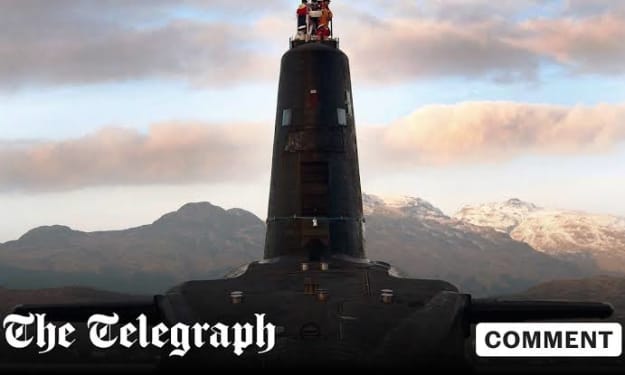
Seagoing Nuclear Power is a Great Commercial Opportunity for Britain. AI-Generated.
Floating nuclear technology could transform energy, industry, and global exports Britain is exploring a bold path in energy innovation: seagoing nuclear power. Also known as floating nuclear reactors, this technology has the potential to revolutionize how energy is produced, delivered, and exported. Experts suggest that Britain’s existing nuclear expertise, combined with its shipbuilding capabilities, could position the country as a leader in this emerging industry.
By Fiaz Ahmed about a month ago in Longevity
Resistance Is Not the Enemy
Iron sharpens iron. Brakes save lives. Friction preserves form. Modern culture treats resistance as failure. Anything that slows momentum is framed as obstruction, anything that introduces friction is assumed to be opposition, and anything that interrupts progress is labeled a setback. But this instinct misunderstands how both physical systems and human growth actually work. Resistance is not inherently hostile. In many cases, it is the only thing preventing collapse.
By Peter Thwing - Host of the FST Podcastabout a month ago in Longevity
The Refiner’s Fire Is Not the Whetstone
There is a difference between being sharpened and being transformed, and confusing the two leads to frustration when growth does not feel productive. Sharpening implies refinement of existing form. Fire implies change in composition. Both processes are uncomfortable, but they operate on different levels and for different purposes. When people expect sharpening and receive fire instead, they often assume something has gone wrong, when in reality something deeper is taking place.
By Peter Thwing - Host of the FST Podcastabout a month ago in Longevity
You See From Where You Stand
"The room remains full whether you can see it or not." One of the most persistent misunderstandings about perception is the assumption that seeing is the same as knowing. People often believe that if something feels clear, it must be complete, and if something feels obscure, it must be absent. But awareness does not work that way. What you perceive at any moment is not a measure of what exists. It is a measure of what your current position allows to pass through.
By Peter Thwing - Host of the FST Podcastabout a month ago in Longevity
In the Desert, They Are Building an “Artificial Sun” to Power Cities. AI-Generated.
How cutting-edge solar technology could transform energy production In a vast desert, engineers and scientists are working on a groundbreaking project: building an “artificial sun” to provide clean and nearly limitless energy for cities. This ambitious initiative aims to replicate the power of the sun on Earth, using advanced solar technology to generate electricity more efficiently than conventional solar panels.
By Fiaz Ahmed about a month ago in Longevity
World's Largest Medieval Cargo Ship Emerges from Its Underwater Grave Off Coast. AI-Generated.
How a centuries-old shipwreck is shedding light on medieval trade and maritime life Off the coast of [Country], archaeologists have uncovered what is believed to be the world’s largest medieval cargo ship, remarkably preserved after centuries underwater. The discovery offers a rare glimpse into maritime technology, trade, and daily life during the Middle Ages. Experts are calling the find a historical treasure, as it provides evidence of how goods, culture, and technology were transported across seas long before modern shipping existed. The Discovery The ship was discovered during a routine underwater survey by marine archaeologists. Initial observations suggest that the vessel: Dates back to the 13th or 14th century Measures over 40 meters in length, making it the largest medieval cargo ship ever found Remains largely intact, with a preserved hull, mast, and parts of its cargo hold “This ship is a time capsule,” said the lead archaeologist. “It allows us to study shipbuilding techniques, trade practices, and even daily life at sea during the medieval period.” The vessel rests on the seabed, protected from strong currents, which has helped preserve its structure for centuries. Medieval Shipbuilding Techniques Analysis of the ship reveals advanced medieval engineering: Wooden hull construction: The ship was built using overlapping planks, a technique known as clinker-built, common in Northern European maritime design. Reinforced frames: Thick timbers provided strength for carrying heavy cargo over long distances. Mast and rigging: Evidence suggests the vessel had multiple sails, allowing for efficient navigation and speed across the open sea. Experts note that the ship’s size indicates a high level of craftsmanship and resources, reflecting the importance of maritime trade during this period. Cargo and Trade Insights Preliminary surveys of the cargo hold suggest the ship may have transported: Grains and foodstuffs for local and regional markets Raw materials such as timber, metal, or stone Luxury goods including spices, textiles, and ceramics The discovery sheds light on medieval trade routes, connecting coastal communities and major trading centers. Archaeologists hope that further excavation will reveal trade networks, economic patterns, and even international connections from centuries ago. Historical and Cultural Significance This shipwreck is more than just a maritime find—it offers insights into the lives of sailors, merchants, and coastal communities of the Middle Ages: Crew life: Artifacts may reveal information about food, tools, and daily routines aboard the ship. Economic history: Understanding the cargo and trade routes helps historians map medieval commerce and regional economies. Cultural exchange: Ships like this were vital in spreading ideas, culture, and technology across regions. Such discoveries contribute to our understanding of human history, demonstrating how people overcame environmental and technological challenges to engage in long-distance trade. Preservation and Archaeological Challenges Recovering and studying a medieval ship presents many challenges: Delicate structure: Wood that has been underwater for centuries is fragile and can deteriorate rapidly once exposed to air. Conservation needs: The ship will require careful preservation using techniques such as PEG (polyethylene glycol) treatments and controlled drying. Limited accessibility: The site is underwater, requiring specialized diving teams and remote sensing technology for excavation. Despite these difficulties, archaeologists are optimistic that modern techniques will allow a thorough study while preserving the ship for future generations. Global Implications The find is being hailed as a significant breakthrough in maritime archaeology. It ranks among the largest and most complete medieval shipwrecks ever discovered and could: Enhance knowledge of European maritime history Provide material for museum exhibits and educational programs Attract global attention to underwater archaeology and heritage preservation Maritime experts suggest that similar discoveries may still lie undiscovered along other coasts, offering the potential for new insights into medieval commerce and navigation. Next Steps for Researchers Archaeologists plan a careful, multi-phase approach: Documentation and mapping: Creating detailed 3D models of the ship and its surroundings. Cargo analysis: Identifying artifacts and materials to understand trade patterns and maritime technology. Conservation planning: Developing strategies to preserve the vessel for study and public display. Publication and public engagement: Sharing findings with the global community to highlight historical significance. Through this process, researchers hope to unlock centuries-old secrets of medieval maritime life while protecting the ship from further damage. Conclusion The emergence of the world’s largest medieval cargo ship off the coast of [Country] is a landmark event in archaeology and maritime history. Beyond its impressive size, the ship offers invaluable insights into medieval trade, technology, and daily life. As archaeologists continue to study and preserve the vessel, it promises to reshape our understanding of how people navigated, traded, and thrived at sea hundreds of years ago. This discovery reminds us that even centuries later, the sea holds countless stories waiting to be uncovered, connecting the past with the present in remarkable ways.
By Fiaz Ahmed about a month ago in Longevity
How Ants Recognize Each Other
Ants are remarkable insects, especially in how they communicate and recognize one another. One of the most fascinating aspects of their behavior is how they identify friends, strangers, and potential threats. Each ant emits a specific scent from its body that is unique and consistent among members of the same colony. This scent acts like a fingerprint, allowing ants to recognize one another easily.
By Sudais Zakwanabout a month ago in Longevity
Inside Ukraine’s Top Drone Units Where Kills Earn Prizes. AI-Generated.
How elite drone operators are reshaping modern warfare and morale on the battlefield In the ongoing conflict in Ukraine, drone technology has become a decisive factor. Beyond reconnaissance and surveillance, Ukrainian forces are increasingly using drones to target enemy positions, vehicles, and personnel. Inside the country’s elite drone units, soldiers are reportedly rewarded for successful operations, with some receiving prizes or recognition for confirmed kills. The use of drones in warfare is transforming both tactics and morale, demonstrating how technology and incentive structures are influencing modern conflicts. The Rise of Drone Warfare in Ukraine Drones, sometimes referred to as unmanned aerial vehicles (UAVs), have dramatically altered the battlefield in Ukraine. They are relatively inexpensive, highly mobile, and capable of striking targets with precision. Key roles of drones in Ukraine include: Reconnaissance: Gathering intelligence on enemy positions and movements Targeting: Identifying and striking high-value targets Psychological impact: Instilling fear and disruption in enemy ranks Ukrainian drone units have reportedly become highly skilled, capable of executing complex operations that previously required much larger forces and resources. How Drone Units Operate Elite drone operators in Ukraine undergo specialized training, which includes: Technical mastery of drones and navigation systems Real-time decision-making under pressure Target identification and strike coordination Communication with ground forces for strategic impact Operators often use small, portable drones for tactical missions and larger UAVs for more destructive strikes. Precision, timing, and coordination are critical, as even minor errors can compromise an operation. Incentives and Prizes for Kills Reports indicate that some units have reward systems in place for confirmed strikes or high-value kills. These incentives are intended to: Boost morale and motivation among operators Encourage precision and effectiveness Recognize skill in high-risk, high-stakes operations Prizes may range from public acknowledgment, medals, or equipment upgrades to monetary awards in some cases. While controversial, these incentives reflect a practical approach to motivating highly specialized personnel in a high-stress environment. Ethical and Tactical Implications The practice of offering prizes for kills raises ethical questions: Is incentivizing lethal action appropriate, even in war? Could it encourage risk-taking or reckless behavior? How does this affect long-term psychological well-being of operators? Military analysts argue that structured recognition programs can improve morale and operational effectiveness if carefully managed. At the same time, oversight is crucial to ensure that rewards do not compromise rules of engagement or international law. Technology Driving Modern Combat Drone warfare is part of a broader trend in modern combat, where small, agile units leverage technology to achieve disproportionate results. Ukraine’s adoption of UAVs demonstrates: Cost-effective force multiplication Ability to disrupt larger, conventional forces Enhanced situational awareness and rapid response Western military advisors have noted that drones in Ukraine provide a significant tactical advantage, especially when integrated with intelligence from satellites, ground forces, and cyber operations. Impact on Morale and Warfare Culture Recognition programs for drone operators can significantly influence unit cohesion and morale. Soldiers who feel their skill and effort are acknowledged are more likely to: Perform effectively under pressure Innovate tactics and improve mission success Maintain commitment during prolonged conflicts At the same time, such programs contribute to a culture where technology and personal performance are closely linked, highlighting the evolving nature of military honor and achievement. Challenges and Limitations Despite their effectiveness, drone units face challenges: Vulnerability to jamming, hacking, or anti-drone defenses Limited payload for destructive operations Psychological stress on operators responsible for life-and-death decisions Risk of escalation if drones are used improperly Commanders must balance operational incentives with strategic prudence to ensure that drone deployments achieve their intended effect without unintended consequences. The Future of Drone Warfare Ukraine’s elite drone units illustrate how modern militaries are adapting to technological change and asymmetric warfare. Analysts suggest: Drone incentives may become more common in other conflicts UAVs will continue to supplement traditional forces Integration of AI and autonomous systems could further enhance effectiveness The ongoing conflict demonstrates that drones are no longer auxiliary tools—they are central to modern strategy, morale, and battlefield outcomes. Conclusion Inside Ukraine’s top drone units, operators are combining skill, technology, and strategic thinking to redefine modern combat. The practice of awarding prizes for confirmed strikes illustrates a unique approach to boosting morale and rewarding excellence in high-pressure environments. While ethical questions remain, there is no doubt that drones have become one of the most influential tools in contemporary warfare, shaping tactics, outcomes, and the culture of modern military operations. Ukraine’s experience provides a window into the future of combat, where technology and human skill intersect in profound and often controversial ways.
By Fiaz Ahmed about a month ago in Longevity
Poland’s Energy Grid Targeted by Never-Before-Seen Wiper Malware. AI-Generated.
How cyberattacks are threatening critical infrastructure and national security Poland’s energy grid has recently come under attack from a never-before-seen wiper malware, marking one of the most serious cybersecurity incidents targeting the country’s critical infrastructure. While officials report that the attack did not cause widespread blackouts, the incident underscores the growing threat of cyber warfare against essential services such as electricity, water, and telecommunications. Experts warn that attacks on energy grids are increasingly sophisticated and could have devastating consequences if preventive measures are not implemented rapidly. What Is Wiper Malware? Wiper malware is a type of malicious software designed to erase data and disrupt systems. Unlike traditional ransomware, which seeks financial gain, wiper malware is often used to sabotage infrastructure, making it particularly dangerous for utilities and national security. Key characteristics of wiper malware include: Data destruction: Deletes critical files and system backups System disruption: Can render computers or networks inoperable Stealth operations: Often hides its activity to delay detection The malware targeting Poland’s grid is reported to be novel, indicating it was designed specifically for this operation rather than reusing existing malicious tools. Details of the Attack Polish cybersecurity authorities detected unusual activity in the energy grid’s control systems, which manage electricity distribution across the country. Key points include: Malware targeted operational technology (OT) systems, which control physical infrastructure No major power outages have been reported so far, thanks to rapid containment measures Authorities are conducting a full forensic investigation to understand the malware’s origin, design, and potential impact Officials emphasize that prevention and monitoring played a critical role in minimizing the attack’s effects. Cybersecurity Experts Weigh In Experts on industrial cybersecurity warn that this incident demonstrates how critical infrastructure is increasingly vulnerable to digital attacks: Targeted design: The malware appears to be tailored for energy systems, suggesting state-sponsored or highly skilled attackers Global pattern: Energy grids, water supplies, and hospitals worldwide have been targeted in recent years Need for resilience: Authorities stress the importance of redundant systems, real-time monitoring, and cyber drills “This is a wake-up call for all countries relying on digital networks to run essential services,” said a leading cybersecurity analyst. “The potential damage could range from temporary blackouts to major national crises.” Impact on National Security Energy grids are considered critical national infrastructure, and attacks on them can have far-reaching effects: Economic disruption: Power outages could affect industries, banking, and transportation Public safety: Hospitals, traffic control, and emergency services rely on electricity Political implications: Cyberattacks may be used as tools of coercion or influence in geopolitical conflicts Poland’s government has increased cyber defense measures, coordinating with NATO allies and private sector partners to strengthen resilience and deter future attacks. Global Concerns About Cyber Warfare The attack highlights a growing trend in international cyber conflict, where digital tools are used as weapons alongside traditional military strategies. Global experts point out: Cyberattacks on energy systems are more frequent and sophisticated than ever Some malware, like the one used in Poland, is designed to avoid detection while causing maximum disruption Nations are investing heavily in cyber defense, artificial intelligence monitoring, and threat intelligence sharing In the past, similar attacks have targeted countries such as Ukraine, the United States, and Saudi Arabia, demonstrating that no nation is immune. Preventive Measures and Response Poland’s response to the malware attack includes: Isolating infected systems to prevent spread Conducting real-time scans and forensic investigations Coordinating with international cybersecurity teams for threat analysis Strengthening security protocols, employee training, and backup systems Authorities also emphasize public reassurance, stating that power supply and public safety have not been compromised despite the attack. The Road Ahead The incident in Poland underscores the urgent need for countries to: Invest in advanced cybersecurity for critical infrastructure Develop national response plans for cyber emergencies Collaborate internationally to share intelligence and mitigate threats As energy systems become increasingly digitized and interconnected, governments must balance efficiency and security to protect citizens from digital disruptions. Conclusion Poland’s energy grid attack by never-before-seen wiper malware is a stark reminder of the growing risks facing modern infrastructure. While immediate damage was contained, the event highlights the potential consequences of cyber warfare, from economic disruption to public safety risks. Experts stress that robust cybersecurity measures, international cooperation, and continuous vigilance are essential to defend critical systems. As nations digitize their energy, water, and communication networks, incidents like this serve as a wake-up call: cyber threats are no longer hypothetical—they are a present and pressing danger.
By Fiaz Ahmed about a month ago in Longevity