tokens
A beginner's guide to digital tokens; get educated on the function of and differences between currency tokens, asset tokens, equity tokens and beyond.
The Power Behind Bitcoin
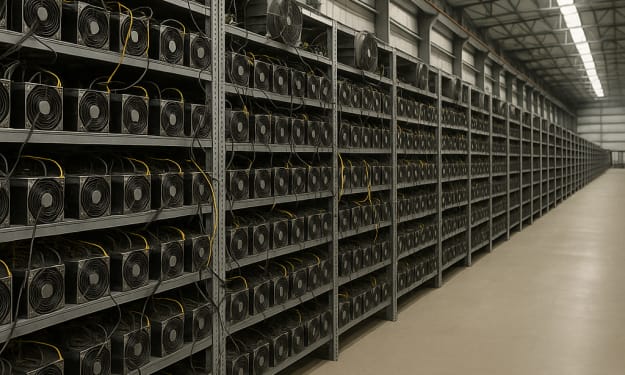
Bitcoin borrowed a word that does not belong to it. Mining sounds physical. It carries an image of dirt, steel, and effort. It suggests men who work in tunnels and move rock by the ton. When the public hears it, they picture a job that leaves a body tired in a way that makes sense. None of that exists in a modern Bitcoin facility. What you find instead is a heat-filled building lined with machines made for only one purpose. Each machine is a miner. One miner equals one computer. Thousands of them sit in rows, running without rest. Once a person understands that a miner is not a human but a device that never sleeps, the scale becomes easier to grasp. These machines fire through guesses at high speed. Each one is trying to match the one valid answer the network will accept. The winning machine earns the reward. All other miners (computers) try again. The entire operation is a probability race powered by electricity.
By Dr. Mozelle Martinabout 3 hours ago in The Chain
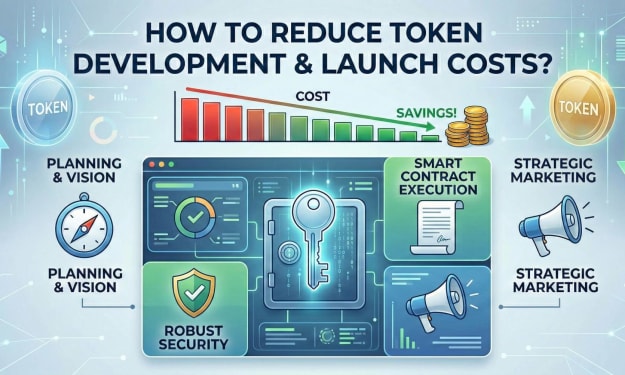
How to Reduce Crypto Token Development and Launch Costs?
Launching a crypto token often looks deceptively simple from the outside. Smart contracts can be deployed in minutes. Token standards are well documented. Marketing channels are accessible. Yet founders frequently discover that what seemed like a modest technical exercise turns into a six-figure undertaking. Development, audits, legal structuring, exchange listings, liquidity provisioning, branding, community management, and post-launch maintenance compound rapidly.
By Jennifer Atkinsonabout 6 hours ago in The Chain
Real Estate Tokenization: How It Enables Property Ownership Through Tokens
The Evolution of Property Investment in the Digital Era For decades, real estate has been recognized as one of the most stable and wealth-generating asset classes. However, traditional property investment comes with notable challenges high upfront capital requirements, limited liquidity, lengthy paperwork, and complex transaction structures. Today, blockchain technology is reshaping the financial landscape, and Real Estate Tokenization Development is introducing a modern framework for property ownership. By converting physical real estate assets into digital tokens on secure blockchain networks, this approach makes property investment more accessible, efficient, and globally connected. It reflects a significant shift in how assets are owned, managed, and transferred in the digital economy.
By Michal steveabout 8 hours ago in The Chain
Stock Trading - Entry 55
While spiritual, I ascribe neither to Christianity nor to Judaism. This article is all about a warning for investors such as myself. I am not dispensing investing advice, only reflections on my personal financial situation when it comes to investing...in blockchains.
By Richard Soulliere7 days ago in The Chain
Who Wins Between Cryptocurrency and Traditional Banking?
Who Wins Between Cryptocurrency and Traditional Banking? Money has changed over time. Financial systems constantly adapt to new technology, whether it's by bartering goods or using gold coins, paper currency, or digital banking apps. One of the most important financial debates of the modern era is taking place right now: Cryptocurrency vs. Traditional Banking: Who actually wins?
By Farida Kabir14 days ago in The Chain
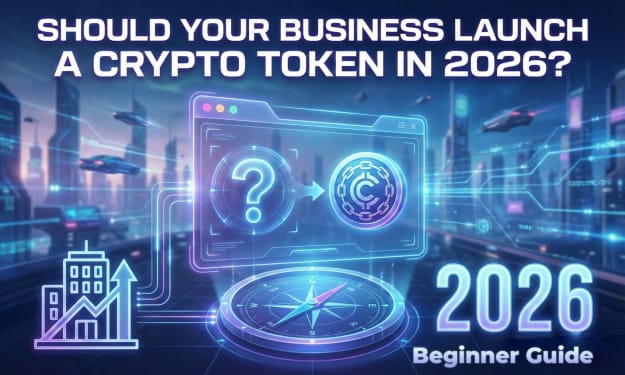
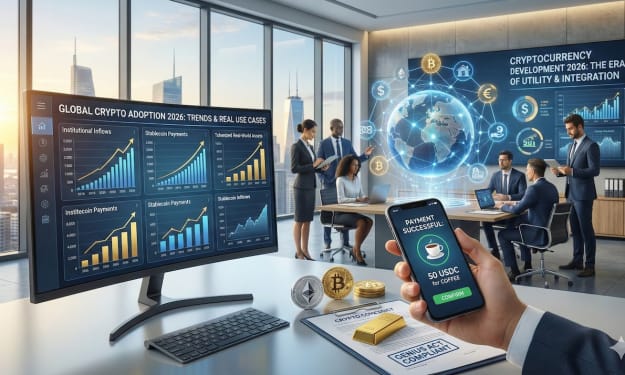
Should Your Business Launch a Crypto Token in 2026? Complete Beginner Guide
In 2026, crypto tokens are no longer experimental toys for tech-native startups. They have matured into real business tools used for fundraising, customer engagement, loyalty programs, digital ownership, and even revenue sharing.
By Jennifer Atkinson15 days ago in The Chain
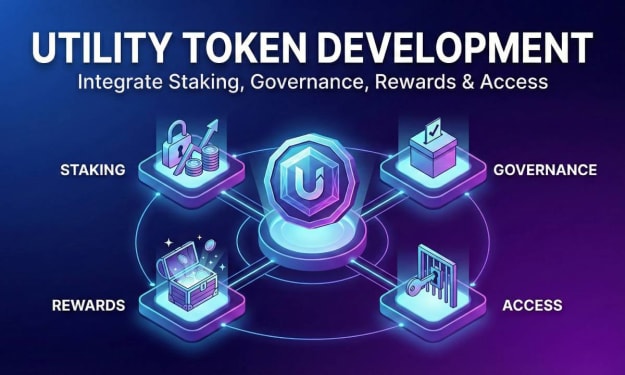
Utility Token Development: How to Add Staking, Governance, Rewards, and Access to Your Token?
A token without utility rarely maintains relevance beyond early interest. When users hold a token but cannot actively use it, motivation fades and trust weakens. Utility gives a token purpose by embedding it into the everyday functioning of an ecosystem. Instead of being just another asset to trade, the token becomes something users depend on for participation, benefits, and influence.
By Jennifer Atkinson16 days ago in The Chain
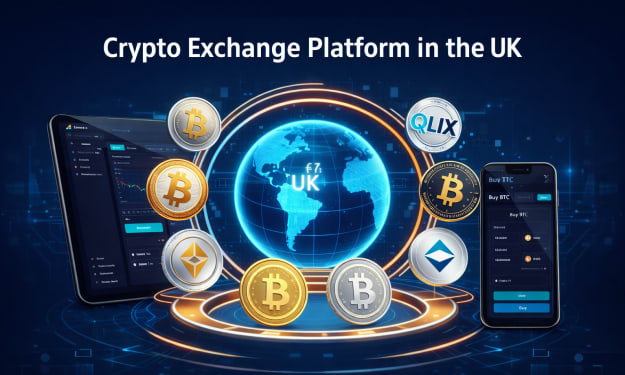
What It Really Takes to Build and License a Crypto Exchange Platform in the UK in 2026?
Launching a cryptocurrency exchange in the UK in 2026 is no longer a speculative experiment—it is a regulated, high-trust financial venture. Compared to just a few years ago, compliance expectations have intensified, technical standards are higher, and competition is sharper.
By Nia Higgins22 days ago in The Chain
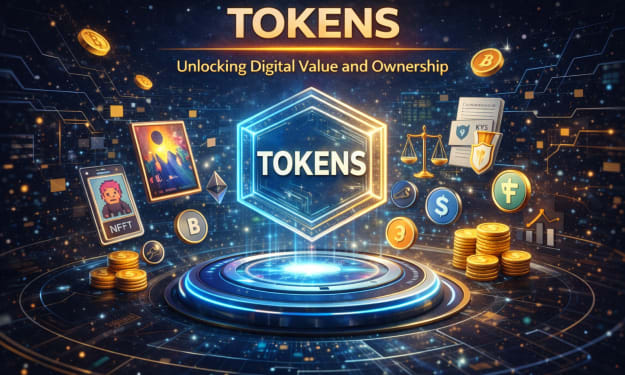
Tokens: The Backbone of the Digital Economy
Introduction In the world of cryptocurrencies and blockchain technology, tokens have become a fundamental component of the digital economy. They represent a new way to transfer, store, and manage value in a decentralized and transparent manner. While many people associate tokens with cryptocurrencies like Bitcoin and Ethereum, their use goes far beyond simple digital currencies. Tokens can represent a wide range of assets, including physical goods, digital assets, services, and even voting rights in decentralized governance systems.
By saif ullah28 days ago in The Chain
Twitter Outage
Twitter is one of the most popular social media platforms in the world. Millions of people use it every day to share news, opinions, and updates. Because so many people depend on Twitter, even a short problem can affect users globally. A Twitter outage happens when the platform stops working properly, either for some users or for everyone. These outages often create confusion, frustration, and a lot of online discussion.
By Farhan Sayedabout a month ago in The Chain