Latest Stories
Most recently published stories on Vocal.
A Woman of Her Time, in the Worst Way”: Industry, Ghislaine Maxwell and the Epstein Scandal. AI-Generated.
When Ghislaine Maxwell was convicted in 2021 on multiple charges related to Jeffrey Epstein’s widespread sex trafficking operation, many in media and public life saw her as a symbol of privilege gone awry — a woman whose connections, wealth, and status insulated her from accountability for far too long. As the dust settles years after Epstein’s death and Maxwell’s trial, the scandal’s reverberations continue to shape industries from publishing to philanthropy, prompting sharper scrutiny of power, privilege, and complicity. From Society Circles to Criminal Conviction Maxwell, daughter of media mogul Robert Maxwell, long moved in elite circles. It was through these networks that she first connected to Epstein, becoming one of his closest confidantes and — according to prosecutors — a key facilitator of his abuse, recruiting and grooming victims. In December 2021, she was found guilty in a U.S. federal court of sex trafficking, transporting minors for sexual exploitation, and related charges. She was later sentenced to 20 years in prison. Her conviction was a rare moment of accountability among a constellation of wealthy, powerful figures who surrounded Epstein for years without consequence. Yet as journalists, advocates, and survivors have noted, Maxwell’s case has raised as many questions about institutional failures as it answered. Industry Collusion and Silence The reach of the Epstein scandal extended far beyond the individuals directly accused. Epstein’s ability to cultivate access — to political leaders, celebrities, academics, and philanthropists — depended on the complicity, wilful ignorance, or opportunism of many within industry and society. Investigative reporting in the years that followed exposed a pattern: invitations to fundraisers, seats on advisory boards, donations to universities and cultural institutions, and other forms of association that lent Epstein an air of legitimacy. In many cases, leaders accepted his involvement without robust vetting, valuing funding and access over ethics. In the publishing world, high‑profile figures who had benefitted from Epstein’s largesse or friendship found themselves under scrutiny. Similarly, academic institutions wrestled with revelations that donations had flowed from Epstein, sometimes rebranded or channelled through intermediaries. Maxwell’s role in that ecosystem was both central and emblematic. As a socialite and influencer, she assisted in cultivating relationships between Epstein and various powerful figures, smoothing his entry into spaces he otherwise might not have penetrated. A “Woman of Her Time”? The phrase “a woman of her time, in the worst way” has emerged in some commentary as a description of Maxwell not merely as an individual but as a product of broader cultural issues. Her ability to navigate elite networks, deflect accountability, and symbolise a certain brand of entitlement speaks to structural imbalances in how society treats wealth and gender. Unlike many women in similar criminal circumstances — particularly those without means — Maxwell was afforded high‑priced legal defence teams, extended delays, and opportunities to shape her own narrative in ways unavailable to most defendants. Critics take issue with this dynamic, arguing that her case underscores a wider justice divide based on class and influence. Meanwhile, survivors of Epstein’s abuse have continued to advocate for recognition, compensation, and systemic change. The trauma inflicted by the trafficking ring did not end with Maxwell’s incarceration; survivors have described psychological, economic, and social impacts that persist years later. Their voices helped fuel public pressure for accountability and reform. Cultural Reckoning and Institutional Change The Epstein‑Maxwell saga also triggered introspection within industries that had welcomed them. Universities reviewed donation policies, tightening vetting procedures and refusing funds tied to individuals with questionable backgrounds. Cultural institutions reassessed board member selections and conflict‑of‑interest policies. Some philanthropic networks introduced stricter transparency requirements. Media organisations, too, confronted their own roles. Outlets that had once accepted Epstein’s access or comment faced criticism for failing to scrutinise his activities earlier. In response, some newsrooms created internal guidelines to avoid similar lapses, though critics argue more substantive cultural change is needed. The Broader Legacy Even as Maxwell begins her sentence and Epstein’s life remains a subject of controversy and conspiracy theories, the larger impact of their network continues to ripple outward. The scandal became a touchstone for conversations about consent, exploitation, and the intersection of wealth and justice. Experts in criminal justice and sociology suggest the case highlights how power can shield abusive behaviour and delay accountability for victims. They argue that meaningful progress requires sustained attention to legal reform, survivor support, and industry accountability. For many observers, Maxwell’s conviction was a necessary — if imperfect — moment of justice. But the broader reckoning sparked by the Epstein case may be its most enduring legacy, forcing industries and institutions to confront uncomfortable truths about privilege, complicity, and the price of silence.
By Fiaz Ahmed about 7 hours ago in The Swamp
The Trump Doctrine 2026: Redefining Global Trade and Geopolitics
As of March 2026, the international community finds itself navigating a seismic shift in global governance. The return of Donald Trump to the White House has introduced a "Peace through Strength" doctrine and a radical "America First" economic agenda that has disrupted decades of established diplomatic norms. From sweeping trade barriers to aggressive geopolitical maneuvering, the "Trump Effect" is the defining narrative of the mid-2020s. 1. The Great Tariff Wall: A 15% Global Shift The cornerstone of the administration’s 2026 agenda is the implementation of a 15% universal baseline tariff on nearly all imported goods. This policy represents the most significant shift in American trade history since the early 20th century. The Objective: The administration argues that these tariffs are essential to "onshore" manufacturing, reduce reliance on foreign adversaries (particularly China), and generate massive federal revenue to potentially replace domestic income taxes. Market Volatility: Global markets have reacted with high sensitivity. While American industrial stocks have seen a localized surge, multinational corporations are grappling with supply chain disruptions. Retaliation Fears: Trading partners in the European Union and the BRICS bloc have threatened reciprocal measures, leading economists to warn of a synchronized global trade war that could redefine the cost of consumer goods worldwide. 2. Geopolitics: Maximum Pressure 2.0 In the Middle East, the Trump administration has doubled down on its "Maximum Pressure" campaign against Iran. Following the recent reports of the death of Iran's Supreme Leader and the subsequent power vacuum, the U.S. has taken a definitive stance. Stifling the Oil Flow: By tightening sanctions to unprecedented levels, the U.S. aims to decouple Iran from the global energy market, seeking to neutralize its regional influence. The Abraham Accords Expansion: Simultaneously, the White House is pushing for a historic normalization deal between Israel and Saudi Arabia. This "Grand Bargain" is intended to create a unified security and economic bloc to stabilize the region without direct U.S. military entanglements. 3. Cultural Diplomacy and the Indo-Pacific Axis A surprising trend this March was the President’s widespread Holi outreach. By celebrating the Indian "Festival of Colors" and framing it as a victory of "good over evil," the administration has signaled a strategic deepening of the U.S.-India partnership. This is more than just cultural politeness; it is a calculated geopolitical move. By aligning closely with New Delhi, the U.S. seeks to create a formidable democratic counter-balance to China’s influence in the Indo-Pacific region, securing vital shipping lanes and technology partnerships. 4. Domestic Efficiency: The DOGE Initiative Internally, the Department of Government Efficiency (DOGE), led by high-profile figures like Elon Musk, continues to dominate the headlines. The mission to "slash the bureaucracy" has led to: Massive Deregulation: A rapid dismantling of federal oversight in the energy and tech sectors. The "Drill, Baby, Drill" Revival: By greenlighting massive domestic oil and gas projects, the U.S. has become the world’s leading energy exporter, lowering domestic prices but drawing sharp criticism from climate advocates. 5. The Future of Global Alliances The Trump Doctrine of 2026 has forced both allies and rivals to rethink their positions. Organizations like NATO and the UN are being pressured to reform or face decreased U.S. funding. The world is moving toward a bi-polar or multi-polar system, where bilateral deals are prioritized over multilateral treaties. Conclusion The Trump administration’s policies in 2026 are characterized by a rejection of the globalist status quo. Whether through the 15% tariff or "Maximum Pressure" diplomacy, the goal is a total re-centering of the global order with American interests as the sole North Star. As the year progresses, the success of this doctrine will depend on whether the global economy can absorb these shocks or if the friction will lead to a broader international crisis.
By Arafat Rahmanabout 7 hours ago in Earth
Lessons In Love Everyone Should Learn Before Committing Fully
The first thing people have to do before they commit is to love themselves and create boundaries. Self-love is the ability to realize your value, the ability to know your emotional needs and work towards self-development. In its absence, the relationships may become unbalanced, one of the partners may overdo it, or fail to preserve well-being in order to stay connected. Boundaries ensure the emotional health, avoidance of resentment, and clear expectations of behaviour, communication, and respect in the relationship.
By Willian Jamesabout 7 hours ago in Humans
Malaysia Joins Israel, Iraq, Jordan, Qatar, Bahrain, Kuwait, UAE, Saudi Arabia, and Syria to Overcome Mobility Issues in Collaboration with Global Aviation and Tourism Authorities: New Updates. AI-Generated.
In a significant development for international travel and regional cooperation, Malaysia has formally joined a broad coalition of countries — including Israel, Iraq, Jordan, Qatar, Bahrain, Kuwait, United Arab Emirates, Saudi Arabia, and Syria — to address mobility and travel challenges in coordination with global aviation and tourism authorities. The announcement highlights renewed efforts by governments and industry stakeholders to accelerate travel recovery after pandemic disruptions and address new operational complexities arising from geopolitical tensions and infrastructural challenges. Officials from the participating countries said the initiative aims to improve connectivity, enhance passenger experience, and support tourism and economic growth by forging stronger partnerships between national aviation bodies, tourism ministries, and international organisations such as the International Civil Aviation Organization (ICAO) and the World Tourism Organization (UNWTO). These cooperative efforts reflect a growing recognition that global mobility is fundamental to national development, job creation, and intercultural exchange. A Broader Coalition for Mobility The coalition announcement emerged from a virtual summit hosted jointly by ICAO and UNWTO, where aviation ministers, tourism commissioners, and airline representatives outlined a shared vision for modernising travel frameworks. Delegates emphasised that overcoming mobility issues requires a multifaceted approach — one that balances safety, infrastructure investment, human capital development, and cross‑border cooperation. Malaysia’s inclusion in this group marks its commitment to expanding its role in global aviation and tourism strategy. The Malaysian delegation underscored the importance of institutional collaboration to enhance air connectivity and reduce logistical barriers in international travel. “As a country with a rich cultural heritage and strong tourism industry, Malaysia recognises that seamless mobility is key to fostering economic resilience and enhancing global partnerships,” said Malaysia’s transport minister in a statement. The coalition’s roster reflects a geographically diverse network of countries, each facing distinct but overlapping mobility hurdles. For Middle Eastern partners, ongoing airspace considerations — including temporary restrictions due to regional tensions — have necessitated more agile route planning and risk management systems. In contrast, Southeast Asian stakeholders such as Malaysia focus on addressing pandemic‑era backlog, improving airport infrastructure, and integrating digital travel facilitation systems. Key Areas of Cooperation Participants agreed on several priority areas to ensure the coalition makes tangible progress: 1. Harmonised Travel Protocols: Representatives emphasised the need to streamline health, visa, and security requirements to reduce passenger confusion and ensure more predictable itineraries. By aligning procedures between countries, travellers can benefit from smoother cross‑border movement. 2. Digital Innovation: A common theme in discussions was the integration of digital travel credentials, biometric entry systems, and enhanced booking platforms that support real‑time updates on requirements and travel options. Malaysia — already a regional leader in digital transformation — pledged to share insights from its national travel facilitation frameworks. 3. Infrastructure and Capacity Building: Several countries noted the need to invest in airport expansions, air traffic management upgrades, and workforce training. These investments are aimed at supporting future growth in passenger volumes and cargo operations while maintaining safety standards. 4. Tourism Recovery Strategies: With tourism a significant economic driver for many participating nations, the coalition plans to develop joint marketing campaigns and incentive programmes designed to attract international visitors. Collaborative branding, targeted promotions, and shared tourism data are expected to boost returns for all members. Industry Reactions Major carriers and global aviation organisations welcomed Malaysia’s involvement and the broader coalition effort. Airline executives pointed out that consistent regulatory frameworks and predictable mobility corridors are essential to rebuilding route networks and restoring confidence among travellers. “The more cohesive and transparent intergovernmental agreements are, the better positioned airlines will be to optimise schedules and offer competitive routes,” said one industry spokesperson. Tourism boards also welcomed strides toward harmonised travel facilitation. “Destinations thrive when people can move freely and securely,” noted a representative from UNWTO. “This coalition reflects a proactive approach to meeting traveller expectations in an increasingly interconnected world.” Challenges Ahead Despite the promise of cooperation, coalition members acknowledged challenges remain. Divergent regulatory environments, varying levels of economic development, and geopolitical considerations can complicate implementation of agreed measures. For example, overlapping airspace restrictions in certain regions require high‑level diplomatic engagement to ensure that safety and access are both prioritised. Political tensions — both within and between regions — also present potential obstacles. Aligning tourism and aviation policies across such a diverse group will necessitate ongoing dialogue and flexibility from all stakeholders. Looking Forward The establishment of this coalition with Malaysia playing an active role signals a commitment to collaborative problem‑solving among nations that are pivotal to their respective regions’ mobility and tourism landscapes. By investing in harmonised systems, innovative technologies, and shared strategies, the participating countries hope to set a new standard for international travel cooperation. As policymakers and industry leaders work toward implementation, travellers around the world may eventually benefit from more seamless journeys, greater route options, and strengthened confidence in international travel’s future — even amid lingering uncertainties in geopolitics and global health.
By Fiaz Ahmed about 7 hours ago in The Swamp
How To Find The Perfect Partner For Lasting Loving Relationship
The search of the ideal partner is misconstrued. Perfection does not mean that one is perfect, but that one is compatible with another person, with similar values, and emotionally in tune. Single people who want to find a lasting love should invest in qualities that will contribute to growth, trust, and respect rather than fantasy and shallow features. Knowing what is acutely important in a partner, i.e. the way of communication, empathy, the way of life, and life goals, are the first steps to a healthy and sustainable relationship.
By Willian Jamesabout 7 hours ago in Filthy
An Evidence-Based Analysis of Budget Tarot Consultation Accessibility for University Students
The proliferation of digital tarot consultation services across European markets presents a specific accessibility question for university-age consumers operating within constrained financial parameters. This analysis examines the structural differences between budget and premium tarot consultation models, evaluates the variables that determine consultation quality independent of price, and provides a framework for informed consumer decision-making within the student demographic.
By Enrique Martinezabout 7 hours ago in Psyche
The Cordyceps Reality: How a fungus turns ants into "architects of their own death."
The mandible cracked. It was a dry, hollow snap that echoed in the silence of my library like a gunshot muffled by velvet. I wasn’t there in the Brazilian rainforest, of course; I was staring at a microscopic slide, illuminated by a flickering bulb that smells faintly of ozone and scorched dust. But the sound lived in my head. I could imagine the Camponotus leonardi—a soldier ant built for war—locking its jaws onto the underside of a leaf with such visceral force that its own head muscles began to liquefy. It was a final, involuntary act of architecture. The ant was building its own tomb, but the blueprint belonged to a ghost.
By The Chaos Cabinetabout 7 hours ago in Earth
Problem-Solving Techniques For Singles Who Struggle With Vulnerability
One of the pillars of a significant relationship is vulnerability. It means being open to expressing feelings, fears, and personal experiences and exposing them to the threat of judgment or rejection. Numerous singles have a problem with being vulnerable because of getting heart broken in the past, fear of getting hurt or having little self-esteem. Avoiding the vulnerable state may result in superficial relationships, emotional non-communicado, and inability to achieve long-lasting relationships. The first step towards the personal growth and the enhancement of the relations is to understand that vulnerability is a strength and not a weakness. Understanding this purpose assists single people to enter dating with an open mind and a sense of boldness to give chances of genuine bonding and emotional attachment.
By Willian Jamesabout 7 hours ago in Humans
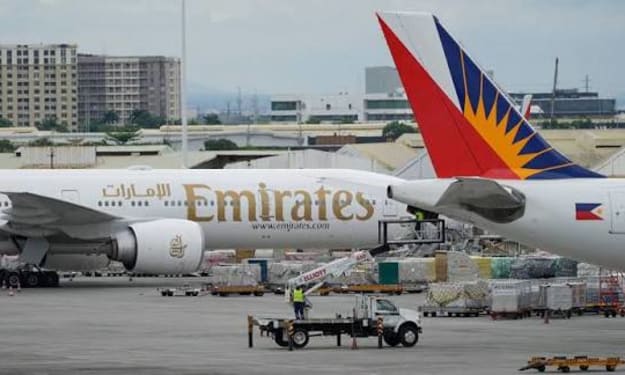
UAE Flights Update — March 5: What Travellers Need to Know. AI-Generated.
As geopolitical tensions continue to affect global air travel, passengers flying to, from, or through the United Arab Emirates should be aware of the latest operational updates, airline advisories, and safety measures. On March 5th, a combination of airspace adjustments, airline schedule changes, and enhanced security precautions are shaping travel plans for thousands of passengers, with developments relevant to both international and domestic flyers. 1. Airspace Restrictions and Routing Adjustments In recent weeks, portions of Middle Eastern airspace have been temporarily restricted or subject to routing advisories due to regional tensions. While the UAE’s own domestic airspace remains open and secure, flights transiting neighbouring sectors — particularly over the Persian Gulf and adjacent regions — may face rerouting, delays, or extended flight times. Airlines operating in and out of major UAE hubs such as Dubai and Abu Dhabi have adjusted flight paths to avoid risk zones and comply with international aviation safety notices. The International Civil Aviation Organization and regional air navigation service providers have continued to issue Notices to Airmen (NOTAMs) outlining temporary airspace exclusions or cautionary corridors. Pilots and airlines are using alternative routings — including flights over the Gulf of Oman and the Arabian Sea — to maintain safety while preserving as much schedule reliability as possible. Passengers should expect marginally longer flight times on some long‑haul sectors due to these deviations. It’s important to monitor airline communications, as several carriers are issuing updates directly to passengers regarding expected departure and arrival changes. 2. Airline Schedules: Delays and Cancellations On March 5, several airlines operating to and from UAE airports reported schedule disruptions, though most flights are proceeding with minimal impact. The two largest UAE carriers — Emirates and Etihad Airways — confirmed that the majority of their scheduled flights remain on track, with operational adjustments made primarily for routing and safety compliance. Some international carriers have announced delays or revised flight times specifically on routes that overfly sensitive regions. For example: Flights connecting Europe and South Asia via UAE hubs may experience extended flight times due to airspace rerouting. Flights bound for destinations in the Far East or Australasia are also monitoring wind and routing patterns to optimise flight efficiency while observing safety directives. Passengers booked on March 5 flights are strongly advised to check their flight status with their airline 24–48 hours before departure and continue checking on the day of travel. Both Emirates and Etihad have robust digital systems — including apps and SMS alerts — that provide real‑time updates. 3. Airport Operations and Passenger Processing At UAE airports, authorities report that passenger screenings, boarding procedures, and terminal operations are proceeding smoothly. Enhanced security measures remain in place — consistent with international norms — but officials emphasise that these measures are precautionary and part of routine operations during heightened global alert levels. Passengers should arrive at airports with ample time before departure: at least three hours ahead for international flights and two hours for regional or domestic connections. Standard documentation requirements — passports, visas, vaccination proofs (if applicable), and boarding passes — must be presented as usual. Transit passengers should verify terminal and gate information in advance, as some carriers may reassign gates to accommodate equipment changes or revised aircraft rotations. 4. Travel Advisories and Diplomatic Guidance The UK Foreign, Commonwealth & Development Office, U.S. Department of State, and other national travel advisories continue to monitor regional developments and provide country‑specific guidance for citizens travelling abroad. These advisories highlight the importance of registering travel plans with consular services, maintaining flexible bookings, and keeping emergency contacts available. So far, neither the UAE government nor diplomatic missions have issued broad directives affecting tourism or business travel to the UAE. The country remains open to visitors, and local authorities have reiterated their commitment to ensuring safe and seamless travel experiences. 5. Tips for Travellers on March 5 To minimise stress and disruption, passengers flying on March 5 should consider the following: Check flight status early and often: Airlines regularly update schedules in response to aircraft positioning and routing changes. Monitor NOTAMs and official airline communications: Safety directives may affect specific corridors or flight paths. Arrive early at the airport: Security protocols and passenger flows may fluctuate with demand. Pack necessary documentation: Ensure all travel documents are valid and accessible. Prepare for slight delays: Longer routes and adjusted departure slots may affect overall travel times. 6. Looking Ahead While regional tensions remain a backdrop to global aviation planning, the UAE continues to serve as a major aviation hub with resilient operations and proactive management. Ongoing cooperation between airlines, airports, aviation authorities, and international bodies aims to ensure that passengers can travel with assurance and minimal disruption. Travellers departing on March 5 and beyond should stay informed, maintain flexibility in their plans, and make use of official airline and airport resources to navigate any changes. With careful preparation and timely information, most journeys through the UAE’s world‑class air network are expected to proceed without major incident — even amid evolving geopolitical dynamics.
By Fiaz Ahmed about 7 hours ago in The Swamp